
The Ins and Outs of Insulation
Good insulation is like a cozy jacket for your home, forming a barrier against cold outdoor temperatures and promoting efficient indoor heating.
But insulation also has a cooling effect during the hottest months. It keeps cold, comfortable air indoors while blocking sweltering heat from baking your house and making you sweat. And, as a bonus, it can help you save up to 15 percent on heating and cooling costs.
But that’s assuming your insulation is up to par. Low-quality products may have a measly R-value, which measures how well materials prevent heat from transferring through them. Meanwhile, insufficient insulation could leave attics, garages, and other vulnerable areas of your home completely uninsulated, making climate control for your entire home more expensive.
If your home’s energy costs have been gradually increasing or you’ve noticed temperature fluctuations between rooms, it may be a good idea to invest in superior insulation. Here’s what you need to know about insulating your home to help you save energy and money.
A bevy of options
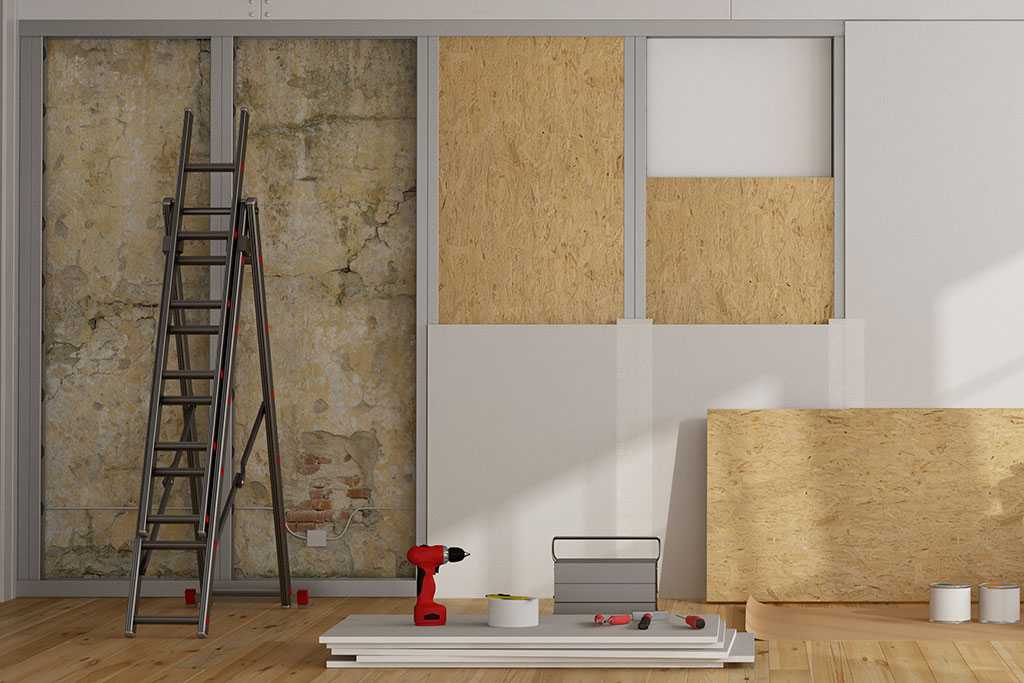
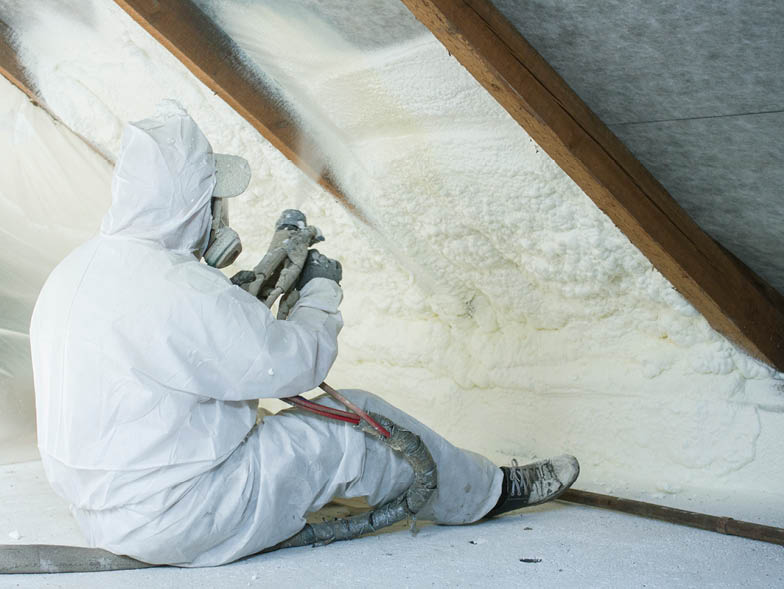
Selecting the best material for your home can be complicated. There are dozens of insulators to choose from, ranging from classic options like spray-on foam to innovative products like reflective foil sheets. Certain choices have surprising perks. For example, mineral wool fiber is resistant to very high temperatures, and sprayed-on foam is suitable for unusual structural layouts. Some materials are even designed to deter pests.
Of course, not every material works for every home. The following types offer the most remarkable and comprehensive benefits to homeowners.
Most affordable: radiant barrier
Radiant barrier relies on unique technology to reflect heat and keep interiors cool. It is effective yet incredibly affordable thanks to its commonplace materials: typically a paper filling and an aluminum foil wrapper. In addition to being inexpensive to purchase and install, this material is also one of the best options for homeowners in hot climates.
Best for DIY: blanket batts and rolls
This well-known product resembles a cushioned blanket that you simply slip onto your open walls, making it a go-to choice for unfinished attics, basements, and garages. Blanket batts and rolls are available in materials like fiberglass and mineral wool and are produced in standard sizes to suit construction-regulation gaps between floor joists, wall studs, and attic rafters. Just be sure to wear eye protection and a mask during installation since these materials release irritating dust when handled.
Surprisingly effective: polystyrene
Extruded polystyrene foam boards are such effective insulators that your resulting energy savings can offset the cost to produce them—despite their being made of nonbiodegradable plastic. In addition, the material is thin, moisture resistant, long-lasting, and easy to install. That said, green homeowners may want to opt for eco-friendly organic insulators, which can contain biodegradable cork, humane sheep’s wool, or even recycled denim.
The right fit
When combined with properly sealed doors, windows, and vents, proper insulation offers a heat-resistant barrier for your home, saving you money and promoting year-round comfort. But it’s not a one-size-fits-all tool: the ideal insulation for your home largely depends on the climate zone you live in, and there are even distinct recommendations for spaces like attics and exterior walls. Get to know these materials thoroughly, and consider discussing options with an insulation contractor before making a purchase to improve your home’s comfort.
For more info, visit energy.gov/energysaver/insulation