
Should You Buy the Worst House on the Best Block?
There’s an old saying in real estate that one should “buy the worst house on the best block.”
The idea is simple: location matters more than almost anything else, and a smaller or outdated property in a desirable neighborhood can be a smart long-term investment. But is it always the right choice? If you’ve found yourself eyeing a fixer-upper surrounded by dream homes, it’s worth weighing the advantages, drawbacks, and renovation challenges before making your decision.
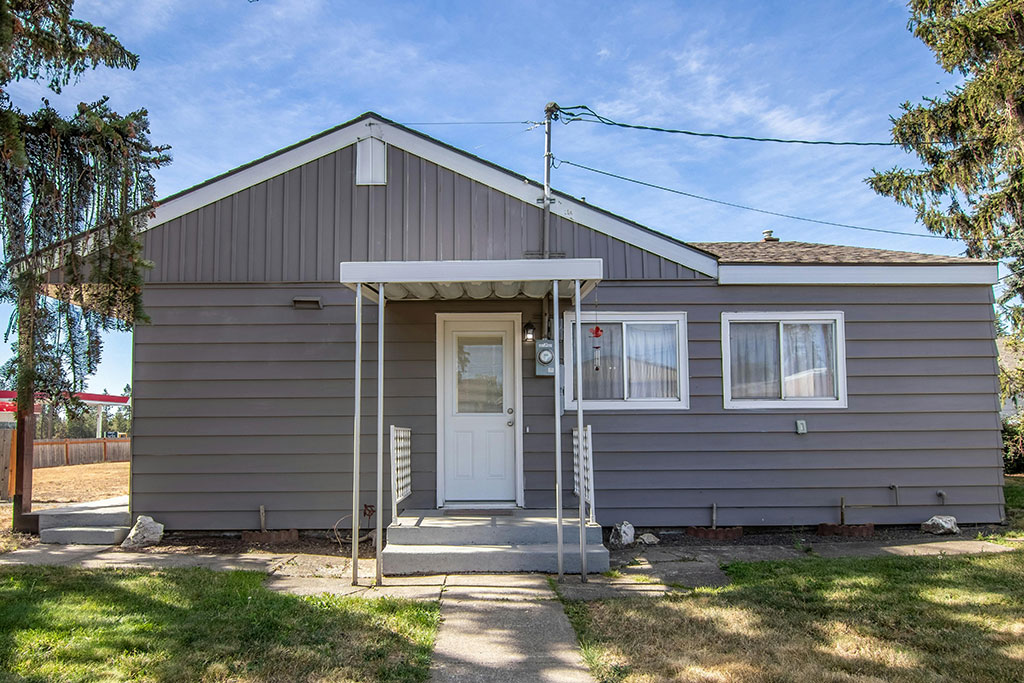
Why location matters
When it comes to real estate, location is often the biggest factor in determining a property’s value. A home in a sought-after neighborhood typically holds its value better and appreciates faster than a similar home in a less desirable area. Schools, safety, amenities, and curb appeal all play into the neighborhood’s desirability—and by extension, your home’s resale potential.
Buying a less-than-perfect house in a top-tier location could give you access to the lifestyle you want now while offering strong long-term growth for your investment.
The pros of buying the “worst” house
One of the biggest perks is the opportunity for instant equity. If you can purchase at a lower price point compared to other homes, you may already be ahead financially once renovations are complete. Improving the property brings it closer in line with neighborhood standards, which can increase its value significantly. You also have the chance to customize: Instead of paying top dollar for someone else’s upgrades, you can renovate according to your own taste, choosing the finishes, layout changes, and features that suit your lifestyle. And then there’s the benefit of long-term value stability. Even if the market dips, properties in desirable neighborhoods tend to bounce back faster than those in less sought-after areas.
The cons to consider
While the potential payoff is appealing, there are some risks. Renovations can often cost more and take longer than expected, especially if a home has structural issues, outdated systems, or hidden damage. If you’re already stretching your budget just to buy the property, you may not have enough left to make necessary upgrades.
Another challenge is living through renovations. If you plan to move in right away, be prepared for dust, noise, and disruptions while projects are underway. Alternatively, paying for temporary housing during the renovation can add to your overall costs. There’s also the risk of overimproving; if you sink too much money into upgrades, you may price your home well above others in the neighborhood, making it harder to recoup your investment when it’s time to sell.
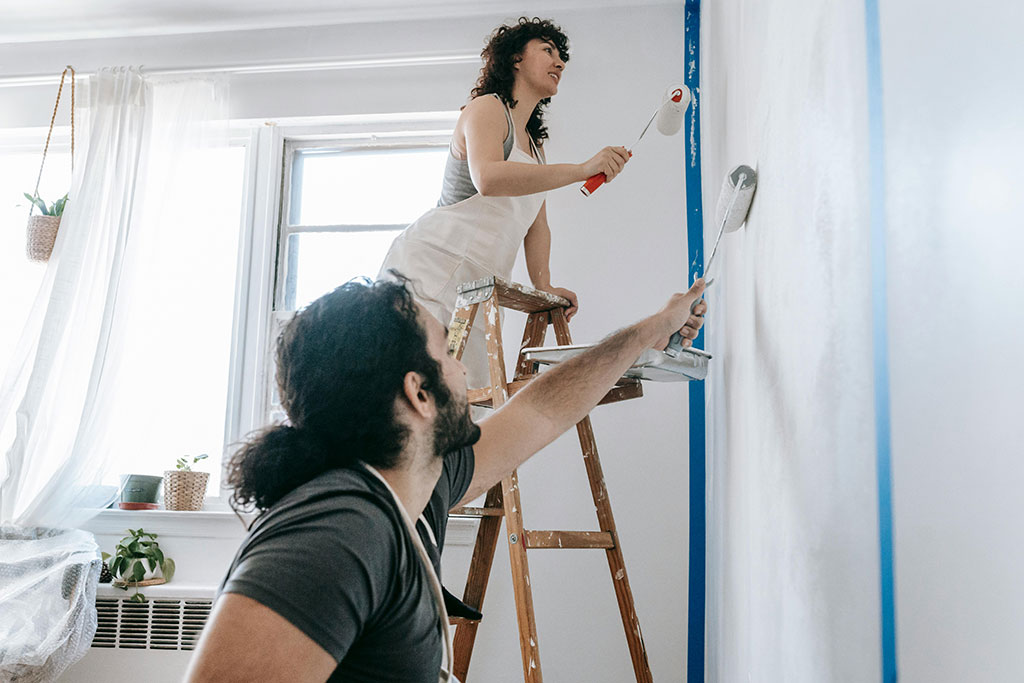
Renovation considerations
If you’re leaning toward buying the “worst” house, it pays to plan ahead in the following ways:
- Get a thorough inspection. Before submitting an offer, hire a professional to uncover hidden issues like foundation cracks, plumbing problems, or outdated electrical systems. Overhauling these areas will be far more expensive than making cosmetic updates.
- Prioritize structural and functional updates. Focus first on the essentials—roof, windows, HVAC, plumbing, and electrical—before turning your attention to style changes.
- Budget realistically. Build in a financial cushion of at least 10 to 20 percent above any quoted renovation costs. Surprises are common, and having extra funds prevents stress.
- Think about resale. Aim for improvements that bring the home in line with neighborhood standards rather than going overboard. Kitchen and bathroom updates, open layouts, and curb appeal upgrades are often your best bets.
Buying the worst house on a great block can be a savvy move if you have the budget, patience, and vision for renovations. However, it’s not a decision to take lightly; without a clear plan, the dream can quickly become overwhelming. If you’re unsure about what the right choice is for you, a trusted real estate agent can help you evaluate the risks and rewards and determine whether a fixer-upper is the right investment for you.