A Designerʼs Guide to Wabi-Sabi
In an age when sleek minimalism and perfectly curated spaces often take center stage, a more grounded, authentic alternative has recently emerged as a quiet force—wabi-sabi.
Rooted in ancient Japanese philosophy, this aesthetic embraces imperfection, impermanence, and the beauty of natural materials, celebrating the soulfulness that comes with genuine elements.
Because of its increasing popularity, many experts are now incorporating the style into their work, including Lauren Lerner. Known for her elevated yet approachable designs, she is the founder and CEO of Living with Lolo, a top-rated firm based in Scottsdale, Arizona. She shares how she interprets wabi-sabi and how people can bring its calming energy into their homes.

Tell us about yourself and Living with Lolo
My career path started in business and sales, but I have always loved dabbling in design any chance I could get. Taking a huge leap of faith, I started Living with Lolo in 2017, aiming to focus on how a room makes my clients feel rather than simply how it looks. Today, we offer white-glove interior design services nationwide, have designed for many celebrities, athletes, and busy executives, and have been featured in national publications for our unique style. I was also recognized as one of Arizona’s top ten interior designers and named to LUXE Interiors + Design’s Next in Design 99.
Would you describe your design philosophy?
No matter the style—from eclectic to wabi-sabi—I always bring in my core philosophy of blending warmth, functionality, and a sense of ease. I love mixing textures and playing with contrast, working to find those special pieces that make a space seem elevated yet approachable. Even when using different aesthetics, my goal is to create a home that feels thoughtful and cohesive, with layers that reflect both the client’s personality and our signature look.

How do you define wabi-sabi?
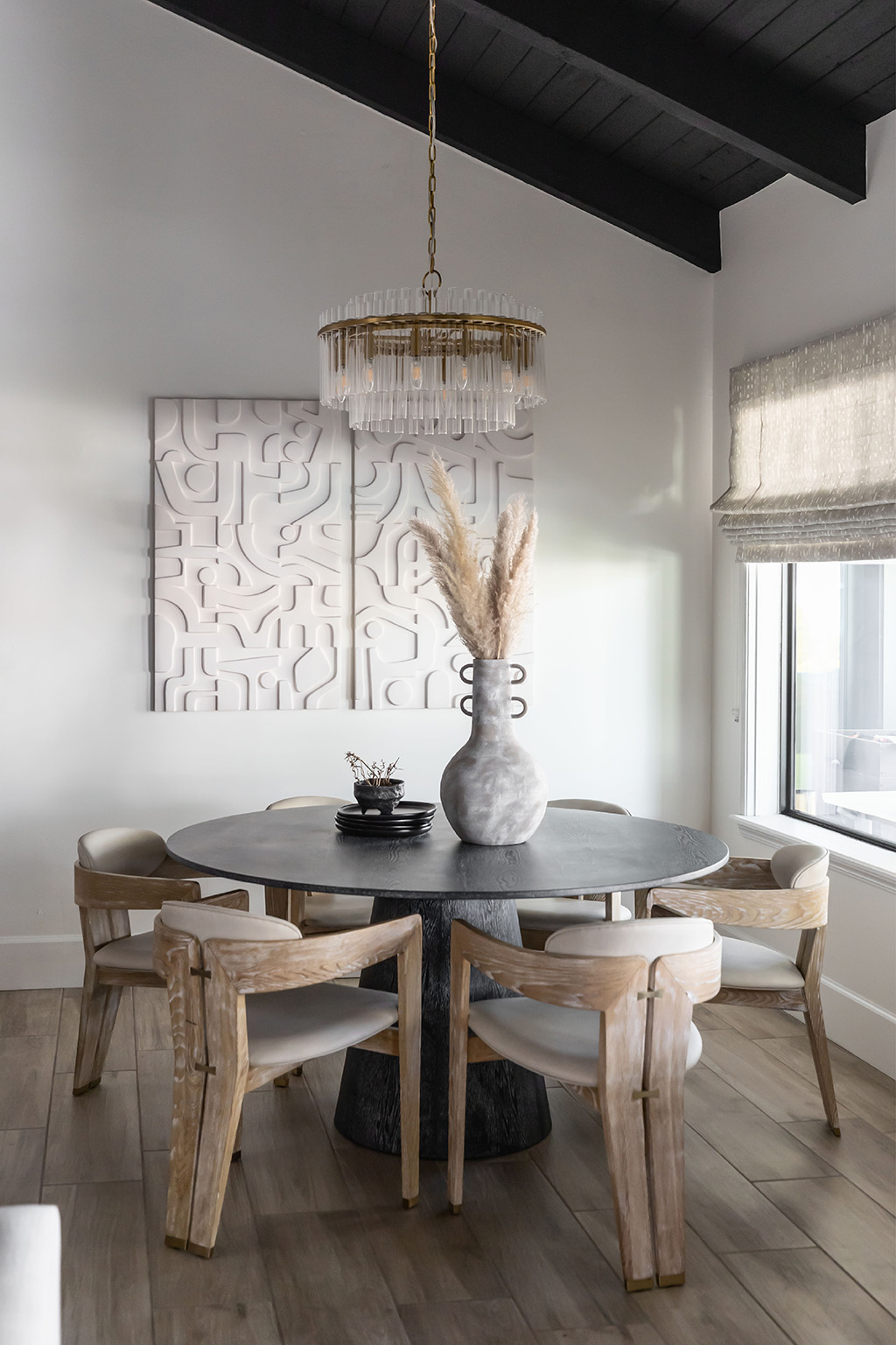
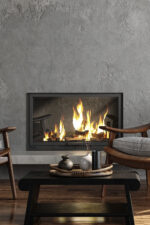
Wabi-sabi is a design concept that embraces natural materials, imperfection, and simplicity, often featuring a muted color palette. It shares common threads with styles like minimalism and Japandi, but while the former tends to feel clean and curated and the latter leans refined and modern, wabi-sabi is softer and more soulful. Imagine a crack in a handmade vase, a vintage chair with a little patina, or the quiet character of a textured wall—these are the kinds of details wabi-sabi celebrates. It’s about infusing areas with emotional warmth and an organic ambience; there’s even a hint of hygge in its love for nature and serenity. And yet wabi-sabi carries a subtle elegance all its own.
Why do you think this style has grown in popularity?
It’s easy to feel overwhelmed by the constant pressure for things to be perfect, and wabi-sabi offers this beautiful reminder that imperfection can actually be what makes something feel special and meaningful. People are craving more authenticity and simplicity in their homes, which is why many clients come to us wanting to incorporate wabi-sabi. Unfortunately, the architecture doesn’t always reflect the style, but we’re still able to pull in small elements that nod to it. We find a balance so that the space not only feels cohesive but also speaks to the lived-in vibe they are drawn to.

What elements do you typically use?
It’s all about natural, organic materials that feel warm and a little imperfect in the best way. I love textures that have a bit of soul to them, whether it’s a nubby textile, a plastered wall with movement, or a vintage piece with a bit of wear. The color palette is usually soft and earthy, featuring warm neutrals and muted tones—shades that feel calming and grounded. When I design in a wabi-sabi style, I stay away from anything too shiny or polished and instead go for matte or brushed finishes that are more relaxed.
Do you have any tips for people wanting to incorporate wabi-sabi?
Start with texture and character, adding in a few pieces like a handmade ceramic, a vintage wood bowl, and a linen throw that’s a little rumpled. And let go of the need for everything to match perfectly. Some of the most beautiful moments come from contrast and the feeling of things being collected over time. Even just simplifying a corner by clearing out the extras and letting a few special items breathe can shift the energy of the space. It doesn’t have to be a big change—it’s more about intention.
For more info, visit livingwithlolo.com
1447 Views
Related Posts
Popular Posts