In Praise of Plywood
When it comes to building shelter, wood has been the framing go-to for the past several centuries, with everything from fir to oak being used.
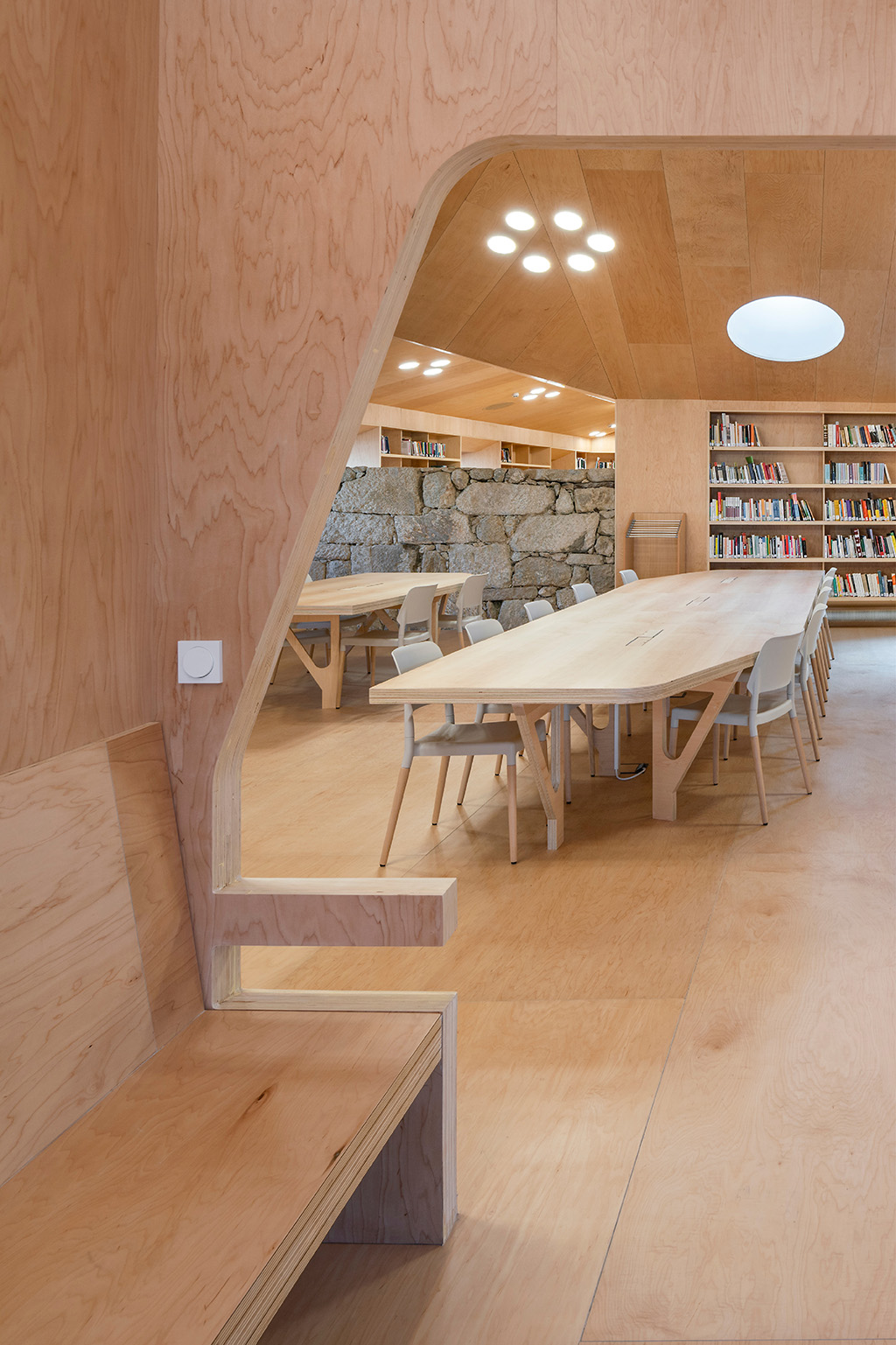
But don’t undervalue another versatile option—plywood. Discover more about this amazing material, the many reasons it is beneficial to construction and home decor projects, and its role in the future of homes.
A multilayered history
In one form or another, plywood has been around virtually forever. Many experts credit the ancient Egyptians for creating the first type, a durable, multilayer substance for furniture and even coffins. However, you have to fast-forward to the Industrial Revolution to find the origins of the modern version. In 1797, a British engineer secured a patent for laminating layered veneers, and the first one for plywood itself was granted in America in 1865.
The Pacific Northwest then became a hub of sorts for plywood advancements. A three-ply type was introduced at the 1905 World’s Fair in Portland, Oregon, and an Aberdeen, Washington chemist created a waterproof adhesive in 1934—a particularly important breakthrough for timber used in structures. Around that same time, Finnish architect and designer Alvar Aalto changed the furniture game by introducing his bent-plywood Paimio armchair, showing the world just how elegant the material could be inside the home.
Today, plywood is still in great demand. The National Association of Home Builders says that over 90 percent of new homes are constructed with wood, and in most of these plans, plywood is a key material in the building process. And looking ahead, market research company MarketsandMarkets estimates that plywood sales will reach a whopping $73.3 billion worldwide by 2027.
How it’s made
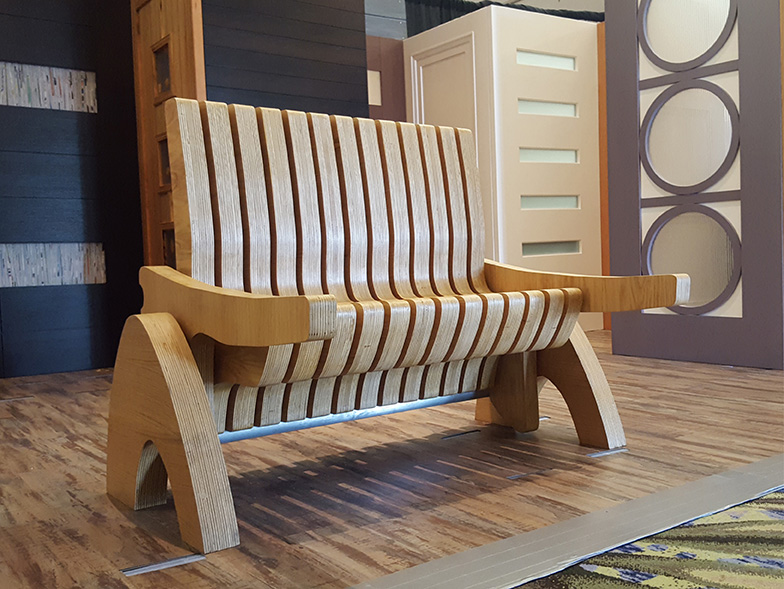
To put it simply, think of plywood as an interlocking combination of several sheets of wood. Three or more thin layers (or plies, hence the name) are glued together, each placed at a right angle to one another for added stability, and cured under heat and pressure. The end result is a sturdy, ready-to-use product that largely remains unchanged over time—a big benefit to construction workers and homeowners alike.
Plywood is composed of either hardwood (from deciduous trees like oak and maple) or softwood (from coniferous varieties like pine and fir), with the respective heartiness of each dictating its use. The former timber is more beautiful and durable, making it ideal for cabinetry and the like, whereas the latter is often preferred for structural applications thanks to its weight-bearing capability and versatility. In addition, the different types are classified into a range of grades and ratings to help both builders and consumers determine the right ones for specific projects.
Advantages
Strength
The aforementioned hardwood variety is particularly renowned across the construction industry thanks to it having strength in numbers—with up to seven layers bonded together, it can be stronger than natural wood and even steel in some respects. Plywood in general is also super easy to work with and manipulate and can be made to resist weather, humidity-induced warping and shrinking, and insects.
Additionally, Garnica, a leading manufacturer of premium sustainable plywood, notes that because of modern manufacturing advances, the material is stronger, more durable, and more lightweight than ever. As a result, it says, plywood has become suitable for a wider range of applications, including transportation and furniture.
Cost
Even though plywood prices have gone up in recent years, it remains an overall cheaper option in relation to solid timber. (Note, though, that the savings are dependent on factors like the type of wood and its quality.) And since it’s incredibly versatile and ideal for a variety of purposes—home builders use it for everything from sheathing to subflooring—it can be a huge time and money saver when it comes to construction costs.
Eco-friendliness
You may be wondering, “All this sounds great, but is plywood a green option?” The answer, typically, is yes, as long as it’s composed of eco-friendly wood such as spruce, Nordic birch, or pine and isn’t produced using VOC-emitting adhesives.
For instance, Garnica plywood is primarily made from sustainably grown poplar, which absorbs approximately twenty tons of carbon dioxide per hectare per year, making it a powerful tool in combating climate change. Every cubic meter of Garnica’s plywood captures about 650–700 kilograms of carbon dioxide, resulting in a net positive carbon footprint. Furthermore, plywood production tends to maximize the amount of wood used from the original source, resulting in less waste.
Disadvantages
Plywood may sound like the perfect building product, but it does have some potential drawbacks. For example, even though it mostly stands tall in humid conditions, it’s not completely waterproof. Over time, it can warp or swell, so if you live in a high-humidity or flood-prone area, you may need to use a type that’s built for these conditions, such as a marine plywood or Garnica Duraply.
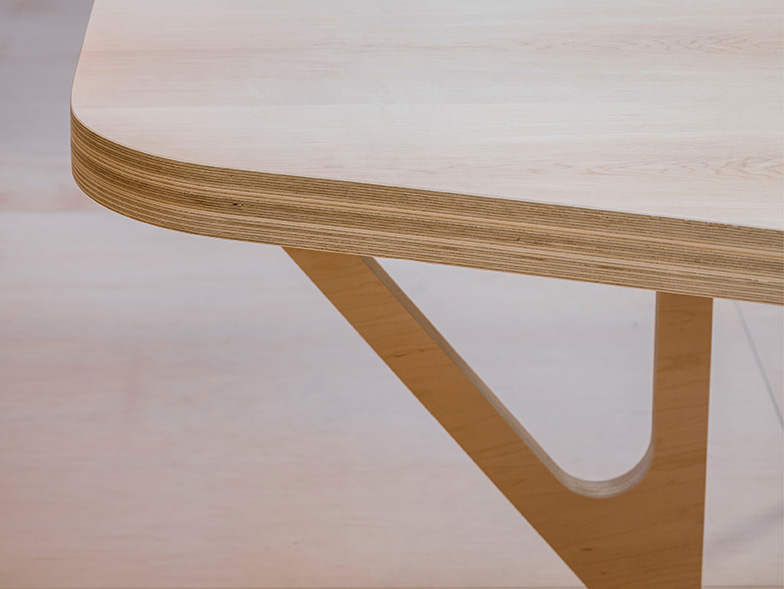
Plus, the wood’s strength tends to dissipate toward its edges, resulting in cracking or splitting; this may require some fine-tuning from builders or homeowners, including sealing the edges.
All in all, plywood is a contradiction of sorts in the world of timber: a manufactured material made of natural resources that’s thin yet strong and can be used for both interiors and exteriors. As a result, it continues to be a staple for homeowners and pros in the construction industry, marrying a time-tested method with twenty-first-century sensibilities and advances.
14 Views
Related Posts



Popular Posts