Recycling Dos and Don’ts
Sorting your trash responsibly can not only clear your home of clutter but also make a difference for the environment, helping preserve our planet for generations to come. Follow these guidelines to initiate or improve your personal recycling process.
DO keep bins handy For an easy way to make it a habit, set up an additional bin beside your trash can for simple curbside recyclables—think cardboard, dry paper products, glass, and tin cans. It might also be useful to have a designated spot for goods that need a special program, such as reusable plastic containers and electronics.
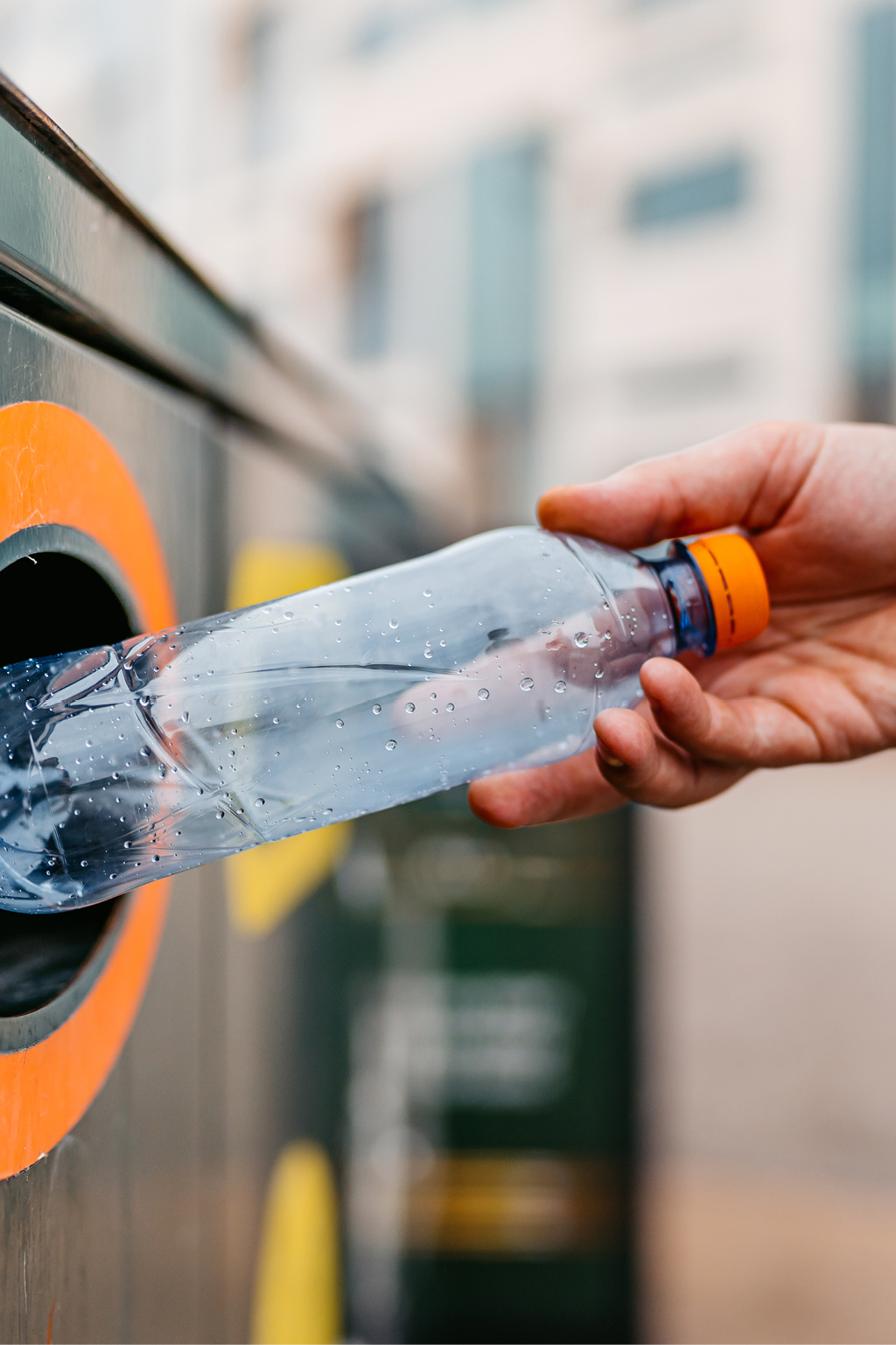
DON’T ignore the symbol Plastic items will generally feature the famous triangle containing a number; this indicates the type of plastic used. For example, those with the number 1 (e.g., most soft drink bottles) are made from polyethylene terephthalate, while those with the number 5 (e.g., food containers) are made from polypropylene. Processing of these items varies by municipality.
DO remember the other two Rs Equally important as recycling are the two other tenets of this widely shared directive: reduce and reuse. Challenge yourself to purchase fewer single-use plastic products overall, which are often the trickiest to recycle, and repurpose items when possible.
DON’T forget to donate On that note, another way to give clothes, electronics, and certain home supplies new life is to donate them. Reach out to local shelters, donation centers, and other services to determine what they may need. You can also gift old fabrics like bedding to animal shelters.
DO contact your local service Recycling can look different depending on where you live. Even simple-to-process items like glass may not be taken everywhere, and some rural areas may not have access to these services at all. Call your city or county sanitation department to get detailed information about which materials are accepted and where to drop them off in person, if needed.
For more info, visit epa.gov/recycle
1186 Views
Related Posts




Popular Posts