Pajamas, Books, and Bedtime Bliss
Photography courtesy of Pajama Program
Interview with Jamie Dyce
Beyond Bedtime executive director Jamie Dyce discusses the importance of healthy sleep for children and how her nonprofit helps foster it.
How bad are sleep issues today, especially for children?
Healthy sleep can be tough for anyone. There are so many challenges already, but when you add others like poverty, housing, and family instability, it’s really disruptive to a child’s sleep routine. They might share a bedroom or a bed (or have no bed at all), and people might come and go at all hours, keeping them in a constant fight-or-flight mode. Living in urban environments with increased light and noise pollution just makes it worse.
There’s also a general lack of understanding about how many hours a night of sleep a child actually needs. We’re so used to hearing about eight being the magic number, but for young children, that’s not nearly enough—in fact, younger children need twelve to fourteen hours over a twenty-four-hour span, and that includes a nap. If they don’t get what they require, it’s setting them up for long-term health consequences. The members of our Good Night Advisory Council, our team of sleep-health experts, would even argue that slumber is more important than nutrition because you can go a few days without eating but can’t survive that long without sleeping.
When did your organization start addressing this issue?
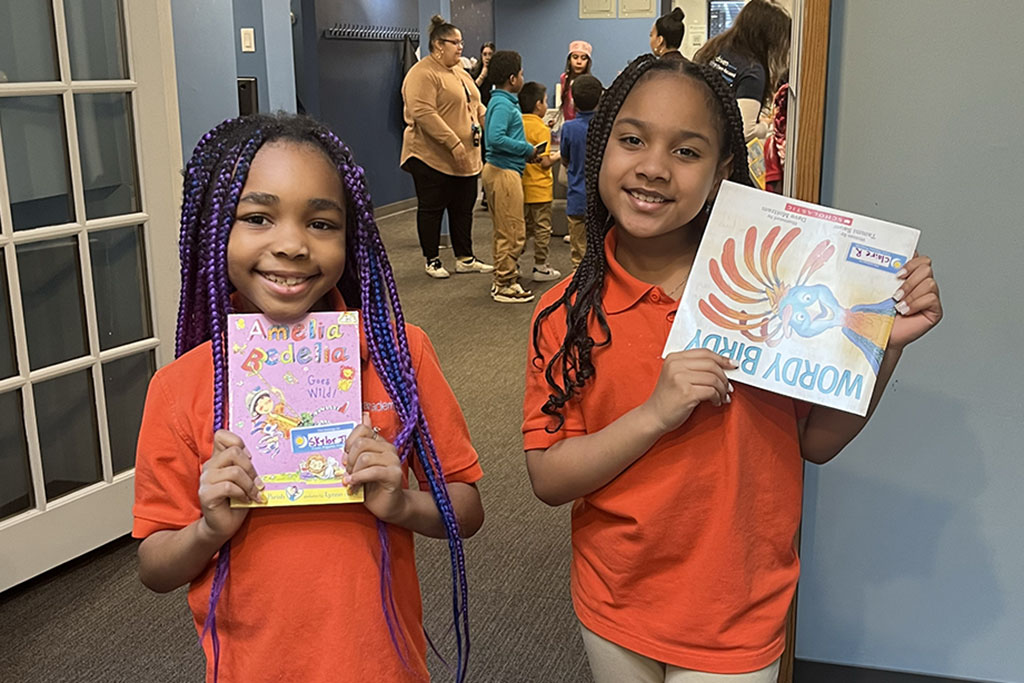
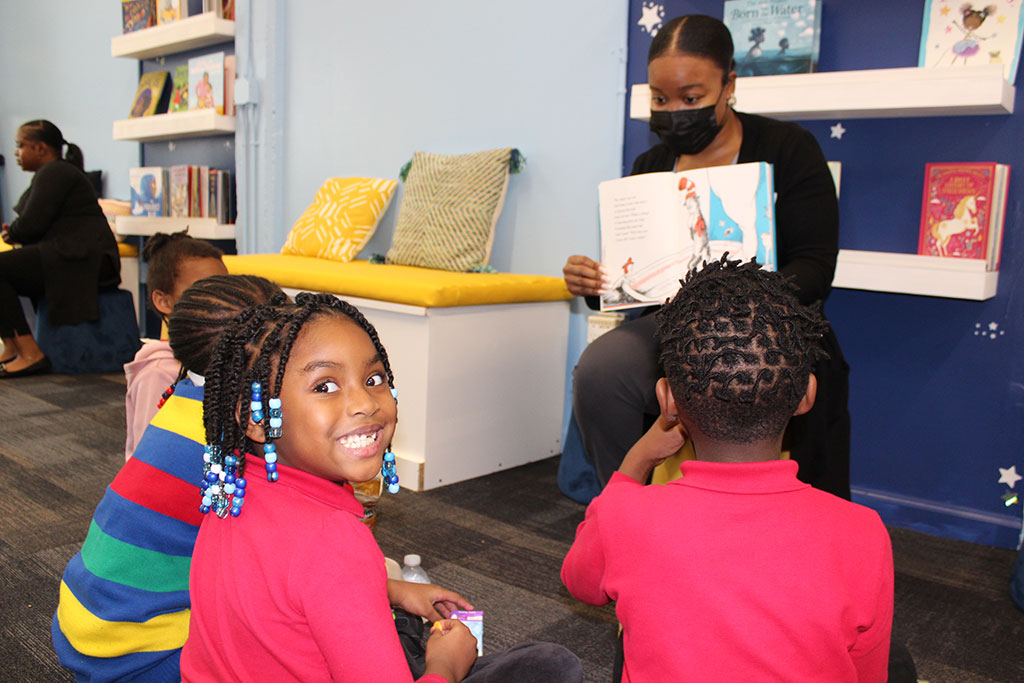
In 2001, our founder, Genevieve Piturro, was working in New York City and volunteering at local shelters in her spare time. One night, she was reading to the children when she was told it was the children’s bedtime, and she noticed that they were going to sleep in their clothes from the daytime. She asked if she could return with pajamas, and the shelter staff said yes. With that blessing, she started bringing pajamas with her whenever she went, and the idea took off. Scholastic heard about the work she was doing and offered storybooks for her cause. We have been collecting and providing pajamas and books for children in places like social service agencies and shelters ever since.
What inspired your organization’s Good Night Bill of Rights?
I was attending a Harvard Business School program where one of the professors had us ponder why our nonprofits existed. I realized that a good night’s sleep isn’t something a child must earn; it’s not even something they deserve. Instead, it’s something they have an inherent right to receive—a basic need that should be met—and it’s incumbent upon all of us to protect that right. That’s when we created our Good Night Bill of Rights, five principles that reflect our values as an organization. We want all children to wake up ready to thrive, not just those with resources.
How important is it for a child to have a bedtime routine?
It’s vital, especially for those experiencing so much uncertainty in their lives, to have even a small routine before going to sleep. It serves not only as a reminder that it’s time to wind down and go to bed but also as a dedicated moment when the adult and child can bond. We contend that the twenty-four-hour day actually starts at bedtime because everything else that follows hinges on how well it went.

What does a new, warm pair of pajamas provide to children psychologically?
I love this question. We only collect new items, which ties into the concept of dignity—everyone inherently wants, and should have, something new instead of just receiving hand-me-downs.
Plus, even the youngest child grasps something special about pajamas; they’re essential to emotional security, especially at bedtime. Being able to switch into them means shedding the stress of the day, and it feels like a warm hug. And that’s true for anybody, regardless of age. After all, when you walk through the door after a long workday, what’s the first thing you want to do? Change into something comfy. Doing so makes you feel like you can exhale.
That said, kids eventually outgrow their pajamas as well as their books. What happens then? When I became executive director, my vision was to expand our reach by developing sleep health education and raising more awareness around our overall mission: to help children discover and experience the superpower of sleep so they can wake up ready to thrive. We’re the only national nonprofit exclusively focused on advancing sleep equity for children experiencing poverty, housing instability, trauma, or involvement in the welfare system. We’re not just filling a gap—we’re redefining how systems meet the needs of children and families.
For more info, visit beyondbedtime.org
1037 Views
Related Posts




Popular Posts