Making Sense of Municipality Names
If you’ve ever used the term “city” as a catchall for any residential community or confused a town for a village, you’re not alone.
After all, the distinctions between the different municipalities can be slight, and there’s no singular nationwide legal definition for each. Take a look at six of the most common along with their key markers to help you distinguish between them.
Cities
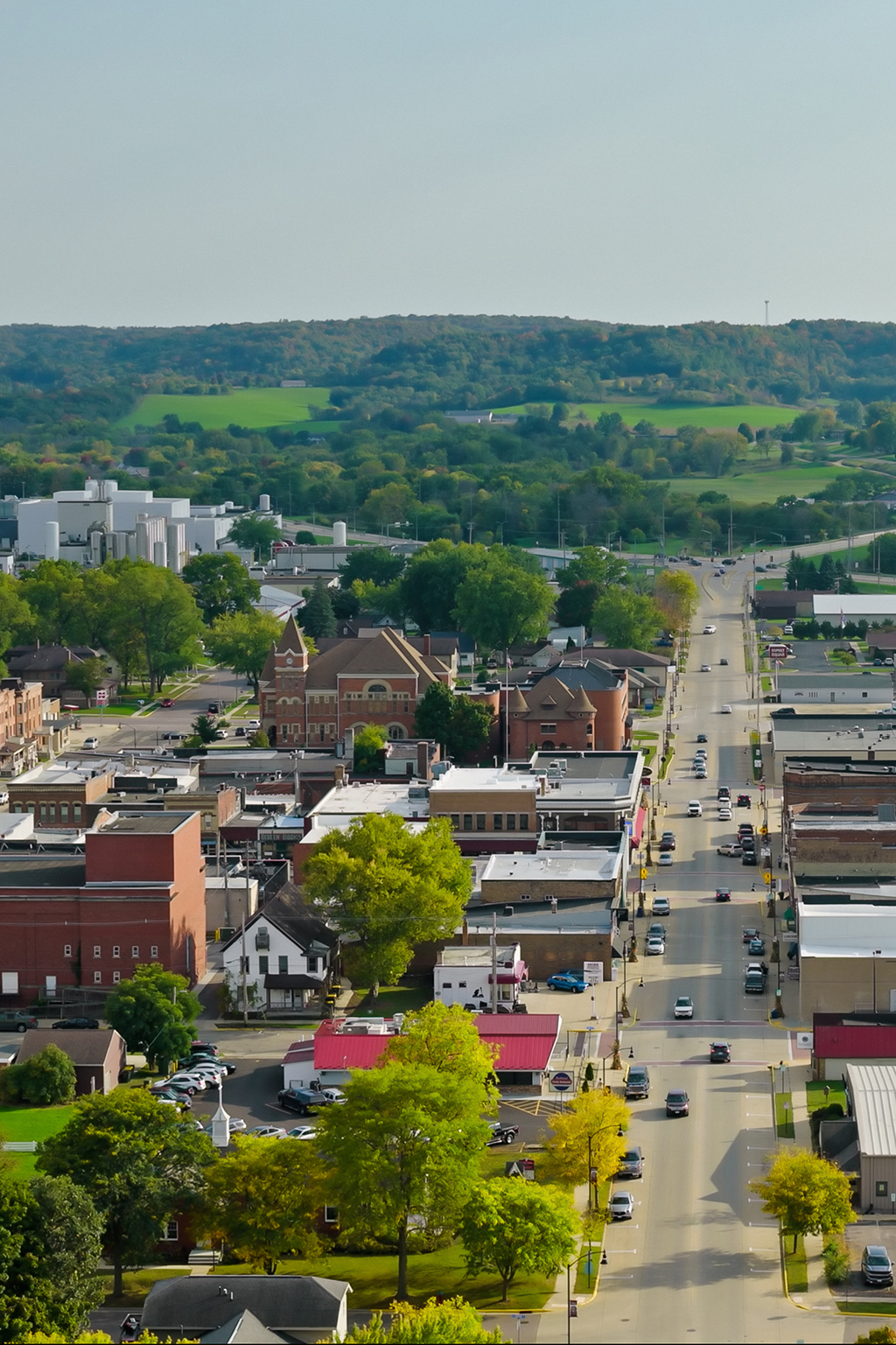
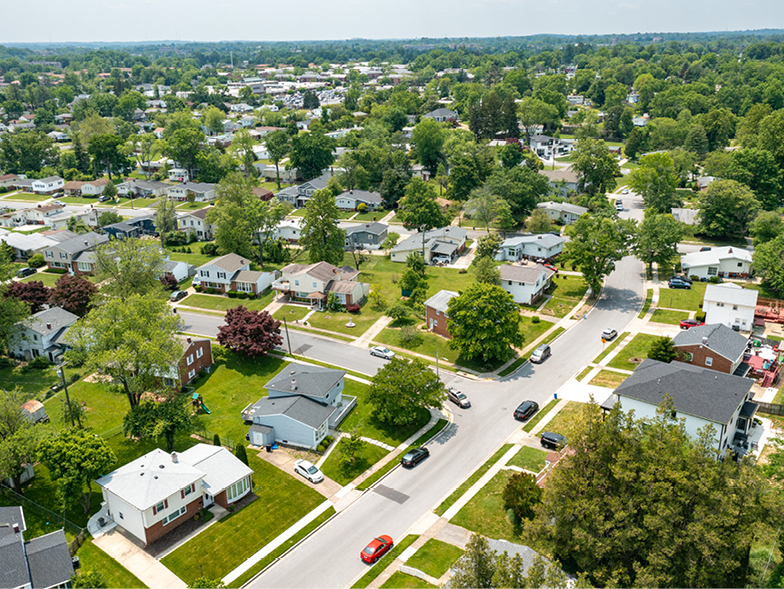
Generally the most complex type of municipality, cities are often defined by their bigger populations and geographic areas; however, not all are as sprawling as New York City or Los Angeles. Another good indicator of a city is if it offers a broad range of services, such as police and fire departments, public transportation, sanitation, and zoning regulations. Cities are self-governed to an extent by elected officials, often including a mayor and a city council, and are “incorporated” with official boundaries. Because of their size, they tend to have more regulatory authority than smaller or less self-sufficient settlements.
Towns
While this term has different meanings from region to region, Americans widely agree that these communities are less crowded and geographically broad than cities. In Alabama, for example, a town is any place that falls under the population threshold of 2,000 people. Some states consider towns to be incorporated municipalities, while others see them merely as geographic areas within a county. A council or board usually leads them, and they may or may not have a mayor, depending on the local governance model.
Villages
As suggested by the charming imagery often associated with the name, villages are much smaller than cities and towns. They are often found in rural or suburban areas and may predominantly rely on agriculture and animal husbandry for their livelihood. Moreover, they generally have a limited local government that consists of a board or trustees. Services in villages may be sparser than those in cities, and in many cases, they rely on their county leadership for functions like law enforcement and road maintenance.
Townships
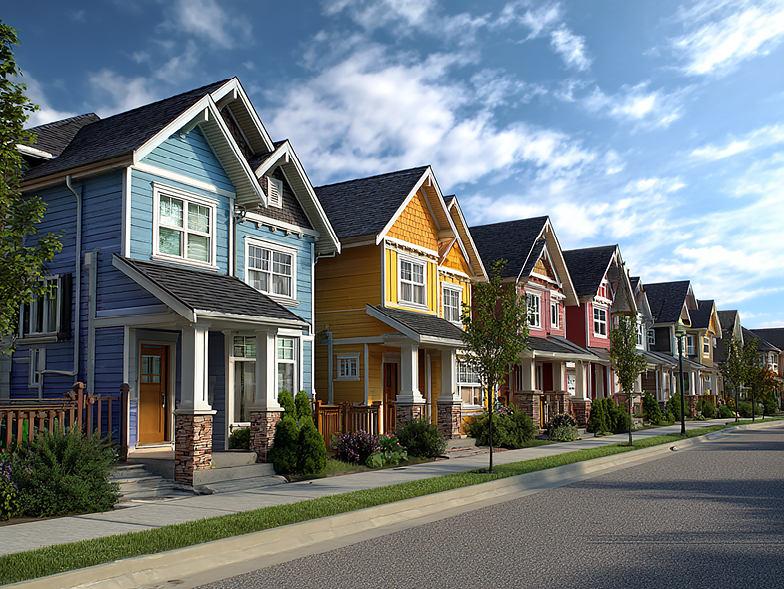
These municipal structures are found primarily in the Midwest and Northeast, and, as with many other residential designations, their power and scope vary greatly based on the state. Townships act as subdivisions of their county, assembling leadership like a board or administrative officer to provide services like road maintenance, recreation, and even property assessments for tax purposes. Such facilities are particularly useful in rural areas that would otherwise be underserved.
Boroughs
A rarer term only used in a handful of states, boroughs also vary dramatically in basic features across the country. For example, Pennsylvania uses this term to signify incorporated areas that are similar to towns or villages, meaning they are smaller than cities and operate under a council form of government. In contrast, New York City is divided into five boroughs—Manhattan, Brooklyn, Queens, the Bronx, and Staten Island. These famous examples are each larger and more populous than most American cities, but they are not independent municipalities. Rather, they are subdivisions of NYC that all have their own limited planning and budgeting representation.
Special districts and unincorporated areas
Not all communities fit neatly into a single category. Special districts are created for a specific function such as water supply, fire protection, or transportation, and they can span multiple municipalities. Meanwhile, unincorporated areas lack a municipal government and are under the authority of the county or state. They typically have fewer services but also lower taxes and regulations than alternative residences.
295 Views
Popular Posts