Seven Things Home Sellers Often Forget to Do Before Listing
When you’re gearing up to sell your home, it’s easy to get caught up in major tasks, such as finding an agent, setting a price, or decluttering each room.
But even the most organized sellers can overlook a few key details that could make or break a sale. If you’re putting your home on the market, don’t neglect these seven often-forgotten steps that might impact your timeline, offers, or even closing.
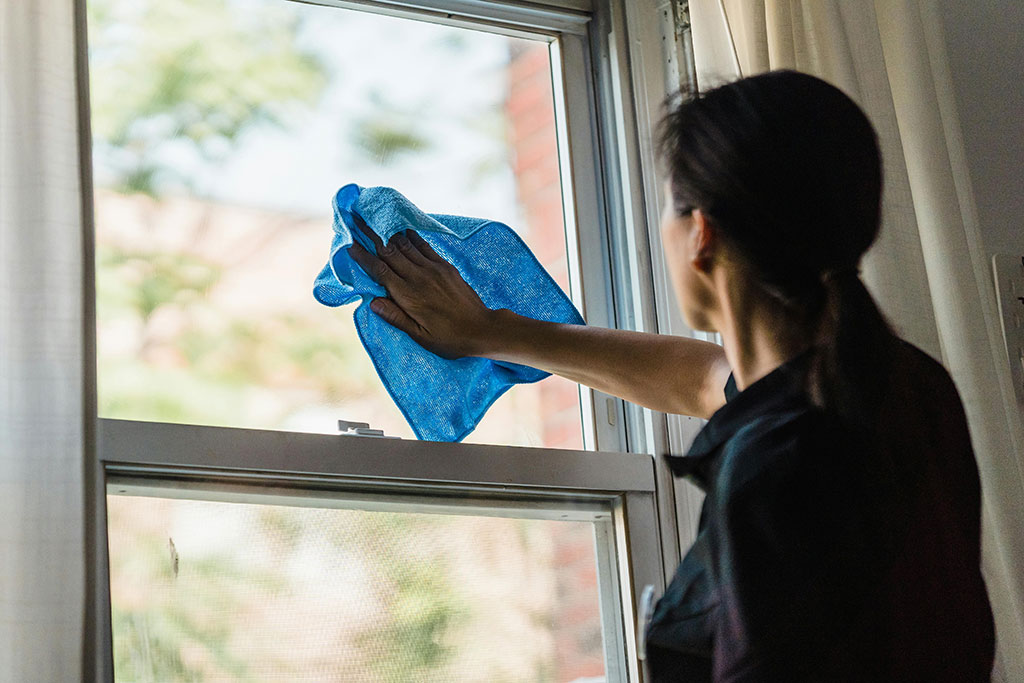
Deep clean places buyers actually look
You probably already know that you should tidy up before showings, but buyers frequently look beyond freshly vacuumed floors and fluffed pillows. They may open closets, peek under sinks, and inspect baseboards, so always keep these areas in sellable shape. Areas like air vents, ceiling fans, window tracks, and appliance interiors should also be spotless. It may be worthwhile to invest in a professional cleaning service if you want your home to shine from top to bottom.
Tend to outdoor details
While curb appeal matters, sellers often focus only on mowing and cleaning. But it’s important to take a closer look: Are your house numbers easy to read? Is the welcome mat in good condition? Are your gutters sagging or clogged? Examine your property with a critical eye from the street and at different times of day so you’ll know what needs improvement. Also ensure that the walkways are clear, porch lights work, and exterior doors open and lock smoothly.
Organize the garage and attic
In order to clean the main living areas, many sellers cram clutter into the garage, attic, or shed. Buyers will want to assess storage space, and messes can turn them off by making even large storage areas feel cramped. If you’re overwhelmed by belongings yet short on time, consider renting a storage unit or using a donation pickup service to help you pare down.
Check and replace lightbulbs
This sounds minor, but a burned-out bulb can signal neglect to a potential buyer, and dim lighting does little to highlight your home’s best features. Before listing, go through every fixture and make sure each bulb is working and consistent in color temperature (for example, all soft white or all daylight). Bright and even lighting can make rooms appear larger and more inviting.

Make minor repairs before buyers notice them
Loose cabinet handles, squeaky doors, cracked outlet covers, and leaky faucets are small problems that send a big message: this house hasn’t been maintained well. Walk through your home with a buyer’s eye—or, better yet, ask your real estate agent to help you spot issues you’ve become used to. Fixing them now can save you from losing leverage during negotiations later.
Touch up walls, doors, and trim
Over time, everyday scuffs, fingerprints, and nicks can add up, especially around light switches, door frames, and baseboards. Applying a fresh coat of paint isn’t always necessary, but making a few strategic touch-ups with a magic eraser or matching paint can make a home feel cleaner and more move-in ready.
Gather documents and manuals
Buyers love a well-documented home, so take time to locate appliance manuals, warranties, permits, and receipts for recent upgrades as well as records of HVAC maintenance, roof work, or pest treatments. Store these forms in one convenient folder or binder to share during the sale process. Taking this step shows buyers that you’ve taken care of the home and helps answer their pertinent questions that could otherwise delay closing.
Selling a home is a process rife with details, and overlooking even a few of them can cost you time or money. By addressing these commonly forgotten tasks upfront, you’ll show your home in the best possible light and increase your chances of achieving a fast, smooth sale. And working with a trusted real estate agent can help you prepare every step of the way, from gaining insightful staging advice to negotiating top-dollar offers.
4110 Views
Related Posts





Popular Posts