What to Expect after Your Offer Is Accepted
You’ve found the perfect home, made your offer, and gotten the exciting news: it’s been accepted!
While this is a huge milestone in your homebuying journey, it’s not quite the finish line. Between offer acceptance and closing day, there are several important steps to complete—and you won’t get the keys in your hand until these are finished. Here’s a breakdown of what happens next so you’ll know exactly what to expect and how to keep your purchase on track.

Schedule the home inspection
Once your offer is accepted, one of the first steps is scheduling a home inspection. This typically happens within a week of acceptance and gives you a clear picture of the property’s condition. A licensed inspector will examine the structure, electrical systems, plumbing, HVAC, roof, and more.
After the inspection, you’ll receive a detailed report outlining any issues. Some may be minor, like loose door handles or small cracks in the caulk, while others could be major, like foundation problems or outdated wiring. You can use this information to:
- Request repairs or credits from the seller.
- Renegotiate the price.
- Walk away if serious issues arise and your offer includes an inspection contingency (in rare cases).
Your real estate agent will help you navigate this process and communicate with the seller to find a fair solution.
Finalize your financing
If you’re financing your home, now’s the time to move from preapproval to loan approval. Your lender will verify your income, credit, and financial documents as well as order an appraisal to confirm the home’s value. An appraisal ensures that the property is worth the amount you’ve agreed to pay. If the home appraises at or above your offer price, you’re good to go. If it comes in lower, you’ll need to work with your lender and agent to explore options, such as renegotiating the price, increasing your down payment, or even appealing the appraisal.
To keep things moving smoothly:
- Avoid taking on new debt or making large purchases.
- Respond promptly to any document requests from your lender.
- Keep your employment and financial situation stable until closing.
Review title and insurance details
Before closing, a title company will review the property’s history to certify that there are no liens, disputes, or ownership issues. Once everything is clear, you’ll purchase title insurance to protect yourself and your lender against any future claims. At this stage, you’ll also want to shop for homeowners insurance since your lender will require proof of coverage before closing. Compare rates and coverage options early so you’re not scrambling later.

Prepare for closing
As the process nears completion, you’ll enter the closing phase—the final step before you become an official homeowner. Here’s what to expect:
- Final walkthrough: Typically scheduled within 24–48 hours before closing, this is your chance to ensure that the home’s condition matches what was agreed upon and that any requested repairs were completed.
- Closing disclosure: You’ll receive this document at least three days before closing. It outlines your loan terms, monthly payments, and closing costs. Review it carefully to make sure everything looks accurate.
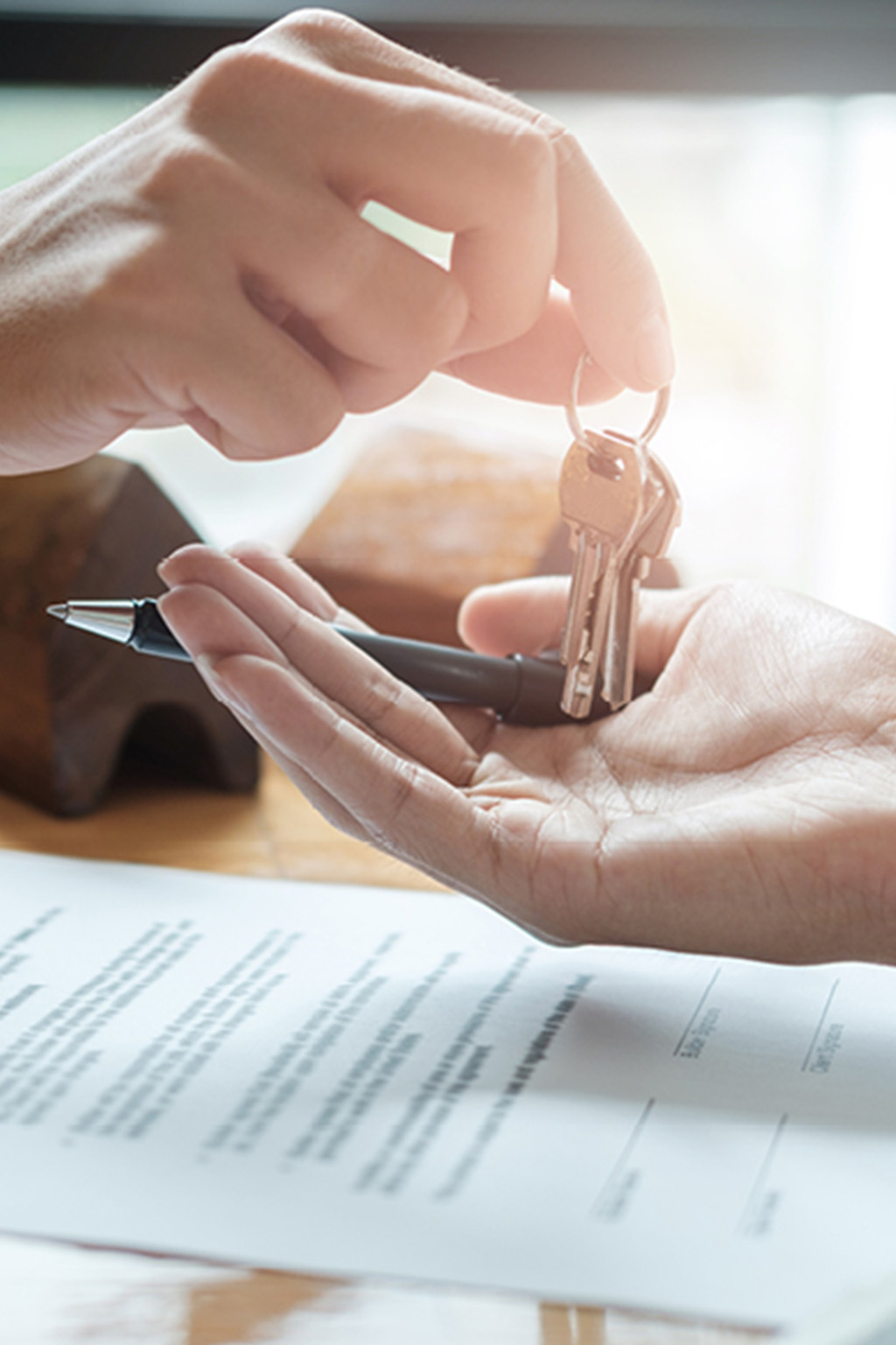
- Closing appointment: On closing day, you’ll meet with your agent, lender, and title company (sometimes virtually) to sign paperwork, pay closing costs, and finalize your mortgage. Once the transaction is recorded, the keys are officially yours!
Keep communication open
Throughout this entire process, staying in close contact with your real estate agent, lender, and title company is key. After all, small delays, like missing a signature or document, can push back your closing date. In addition, regular check-ins help make sure that everyone stays on schedule and that any surprises are addressed quickly. If something unexpected does come up, including a low appraisal, inspection issue, or lender delay, don’t panic; these hiccups are common, and your team will help guide you through them.
Having your offer accepted is a huge step, but there’s still a bit of work before you can officially call the house your own. By staying proactive through inspections, appraisals, financing, and closing details, you’ll move through the process with confidence and avoid unnecessary stress.
Before you know it, you’ll be holding the keys to your new home and be ready to start the next exciting chapter of homeownership.
293 Views
Related Posts





Popular Posts