Don’t Overlook Staging These Areas Buyers Notice
Most sellers know to fluff the throw pillows and clear the kitchen counters before a showing. But buyers are perceptive, and they wander.
They check the closets, peek into utility rooms, and linger in hallways. According to NAR’s 2025 Profile of Home Staging, 83 percent of buyers’ agents say staging helps house hunters visualize a property as their future home. However, that effect can be undone if someone touring your home finds unsightly, unorganized, or poorly maintained spaces.
The rooms sellers tend to overlook can quietly undercut an otherwise well-prepared listing. Here’s where to focus your attention before the first showing.
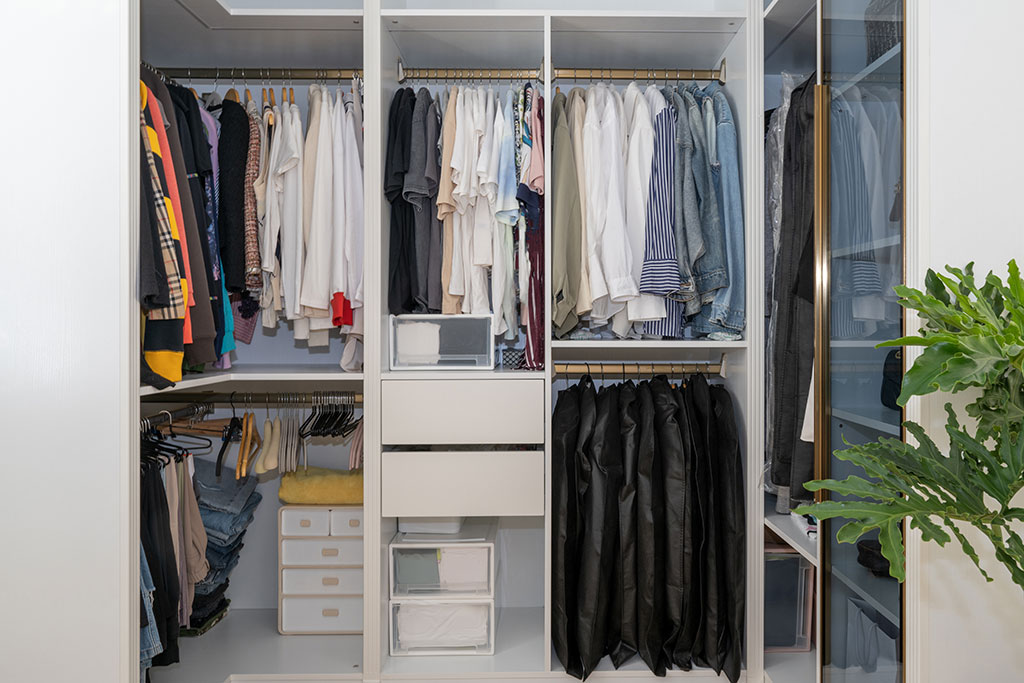
Storage areas
Buyers open closets; every single one. When a closet is stuffed floor to ceiling with overflow clutter, it doesn’t just look messy. It also signals that the home lacks storage potential. That’s a concern that can follow a buyer all the way to their offer.
Before showings, edit each closet down to roughly half capacity. Hang clothes facing the same direction, store shoes in neat rows, and add organizer furniture like shelves if the space allows. You don’t need a custom build-out. You just need the closet to feel like there’s room for someone else’s life in it.
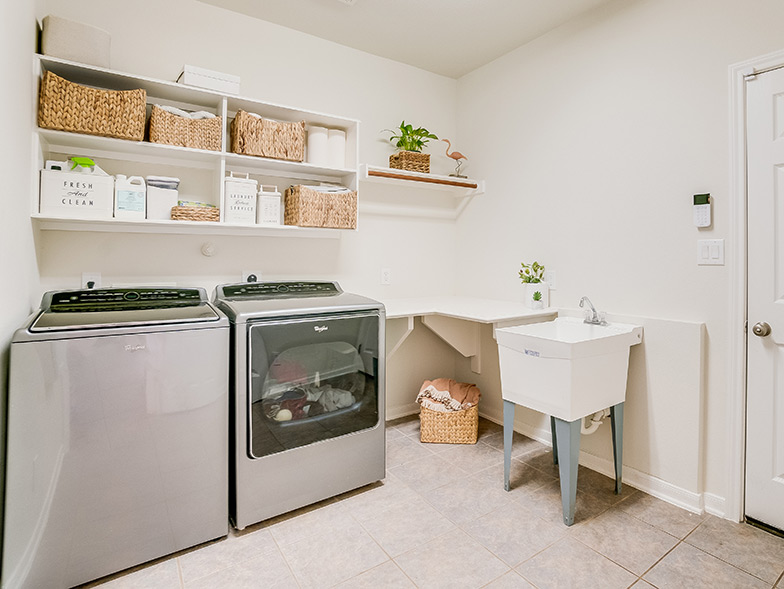
The laundry room and utility spaces
These spaces get used regularly and staged rarely. Sellers often treat them as afterthoughts because they’re functional, not beautiful. But buyers will notice a utility room with peeling paint, a rusted floor drain, and a mop propped in the corner—and they start mentally tallying deferred maintenance.
A little goes a long way here: Clean the washer and dryer, wipe down shelving, replace burned-out bulbs, and clear any accumulated cleaning supplies into a bin or basket. If the floors are slightly dated but clean, that’s acceptable. If they’re both dirty and dated, that combination can be a red flag.
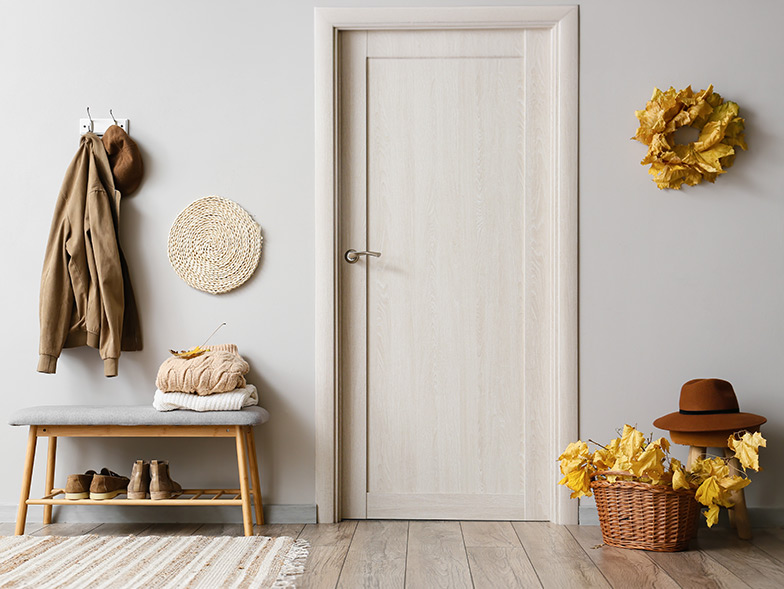
Entryways and transition spaces
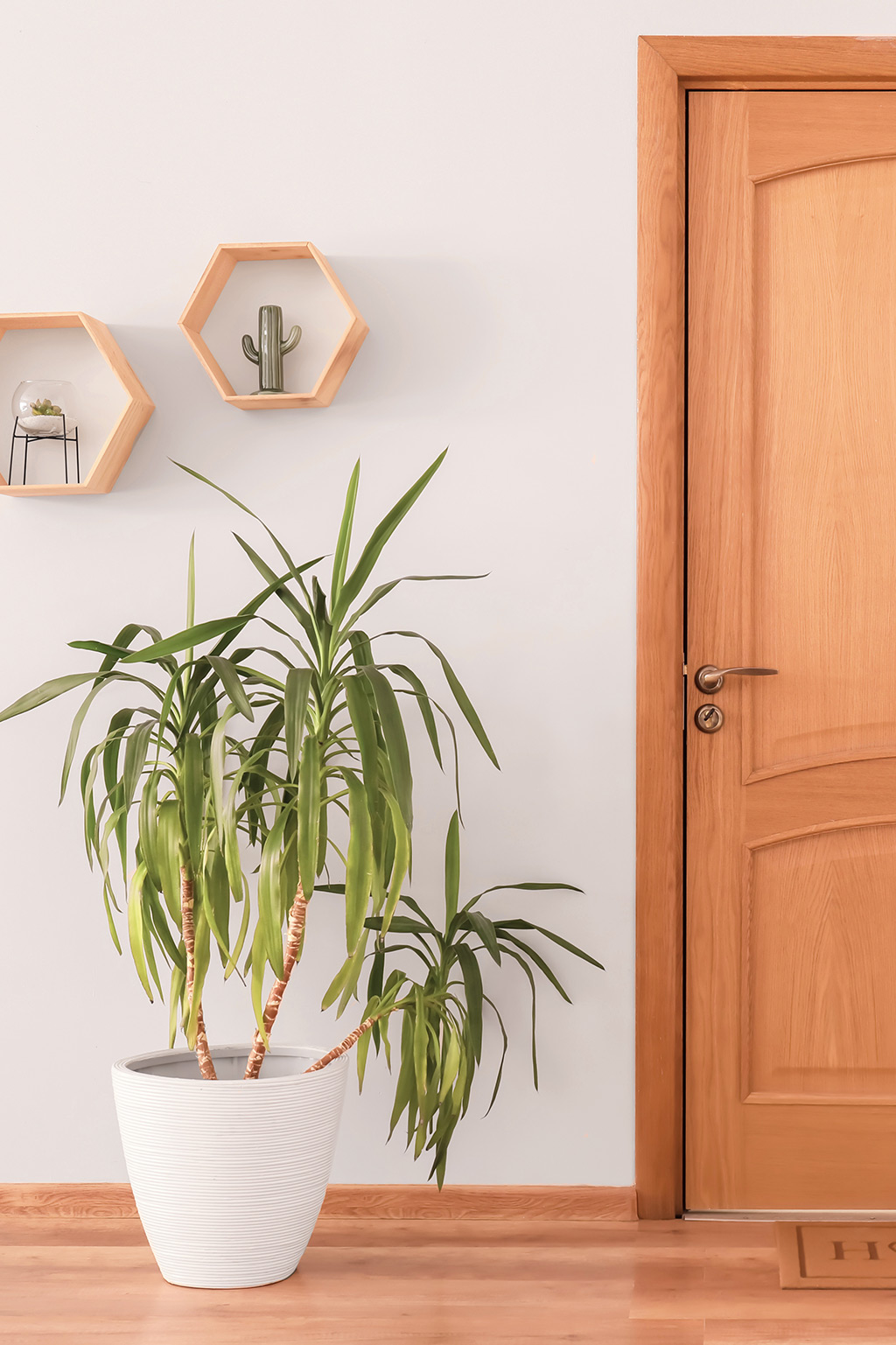
The foyer sets the tone for everything that follows. When buyers walk in, they’re forming their first impression of the home’s condition and care. A clean, simply styled entryway with clear floor space, a mirror if there’s room, and a single intentional decor element tells them they’re about to see a home that’s been looked after.
Transition areas like hallways and stairwells deserve similar attention. Apply fresh paint touch-ups, clean up baseboards, and add lighting so these pass-through spaces feel finished rather than forgotten—without cluttering them with extra furniture or decor.
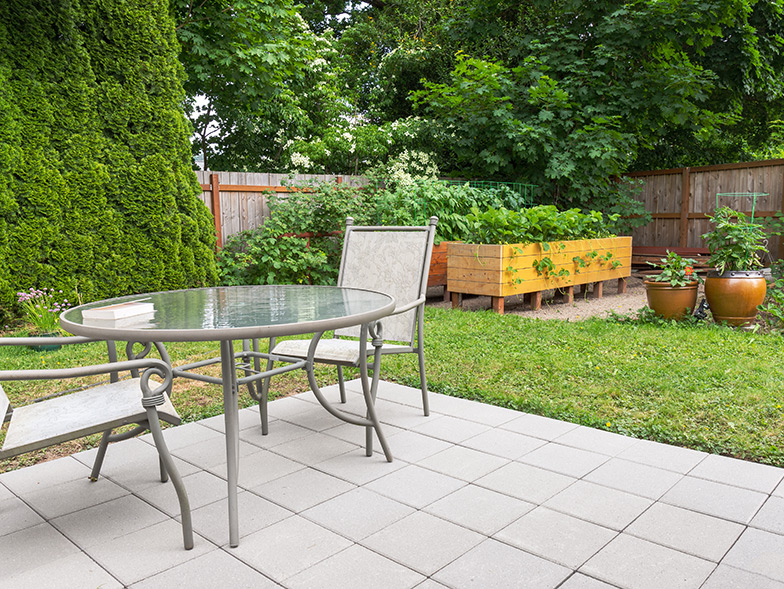
Outdoor “in-between” spaces
Side yards, back gates, and covered utility areas tend to be invisible to sellers because they’re not part of daily life—but buyers doing a thorough walkthrough will find them. A side yard with dead leaves, a hose coiled in the dirt, and a rusted rake leaning against the fence tells a story about how poorly the whole property has been maintained.
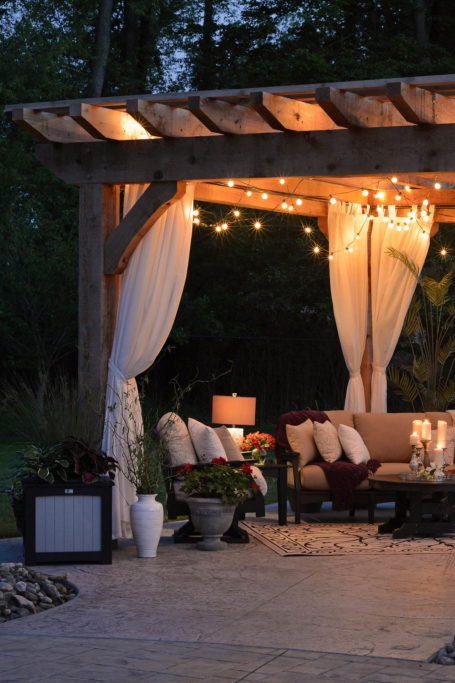
Clear these spaces, pull weeds, and sweep hard surfaces. If there’s a covered patio, add a simple seating arrangement. According to staging guidance for city buyers, well-designed outdoor spaces read as extra usable living space, which buyers will weigh when their options are close.
The homes that sell well aren’t necessarily the ones with the most upgraded finishes. They’re the ones where buyers can walk through every room (including the ones no one thinks to stage) and feel confident about what they’re buying. Focusing on fine details can keep a buyer from wondering what else might have been overlooked. For more advice on staging and selling your home, get in touch with a real estate agent. It’s one of the simplest ways to protect your listing from a slow start.
1495 Views
Related Posts




Popular Posts