How to Build Long-Term Value in Your Home
Whether you plan to sell in a few years or stay put for decades, one thing is certain: a well-maintained, thoughtfully improved home will always be worth more.
Building long-term value isn’t about making dramatic renovations every year. Instead, it’s about consistent upkeep, smart upgrades, and an awareness of what’s happening in your neighborhood and local market.
Here’s how to create a home that not only feels great to live in today but also continues to grow in value over time.
Prioritize regular maintenance
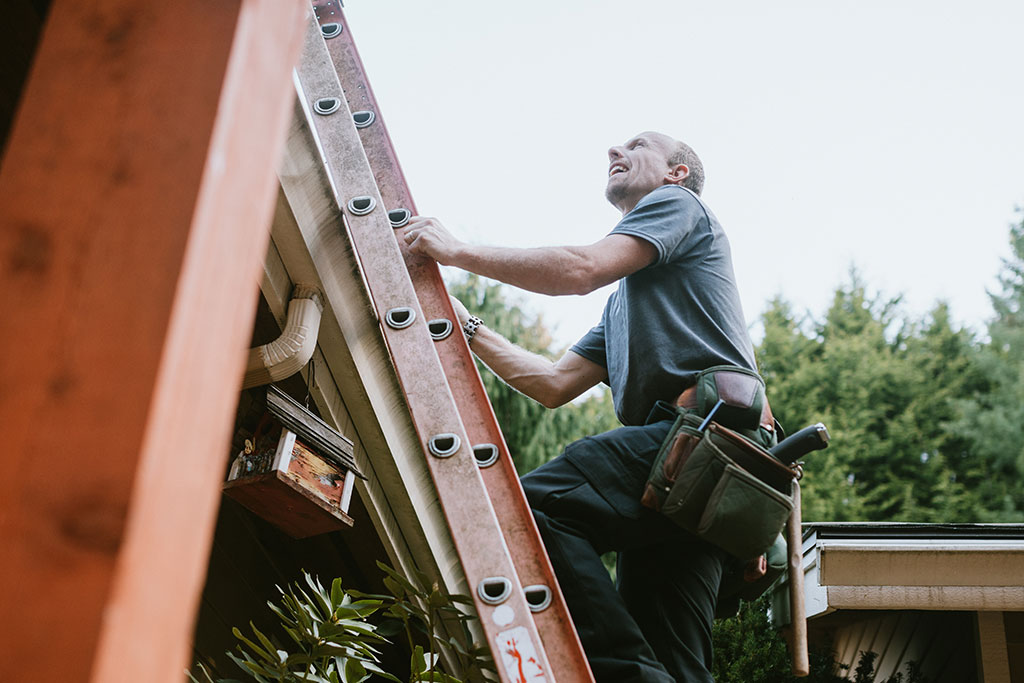
Nothing protects your home’s long-term value quite like routine care. Small issues that go untreated, like clogged gutters, HVAC problems, or minor roof leaks, can turn into expensive repairs that diminish your home’s worth—but staying on top of maintenance helps preserve your home’s structure, efficiency, and appeal. Some key areas to focus on include:
- Roof and gutters: Clean regularly and repair damage early.
- HVAC systems: Schedule yearly tune-ups to extend lifespan and improve efficiency.
- Plumbing: Fix dripping faucets, slow drains, or leaks before they worsen.
- Exterior upkeep: Paint, caulk, and inspect siding to protect against weather damage.
A well-maintained home also sends a strong message to future buyers that your property has been cared for.
Make smart, high-impact upgrades
Not all home improvements offer the same return on investment. When thinking about upgrades, focus on changes that add comfort and function today while boosting long-term value. These often include:
- Kitchen updates: New countertops, cabinet refacing, or updated appliances can modernize the heart of the home without a full remodel.
- Bathroom improvements: Fresh tile, updated lighting, or new fixtures go a long way.
- Energy-efficient upgrades: Better insulation, LED lighting, and smart thermostats save money and appeal to value-focused buyers.
- Curb appeal enhancements: Landscaping, exterior lighting, and a fresh front door instantly elevate the home’s appearance.
The key is making updates that match your neighborhood’s expectations. Overimproving beyond what buyers typically expect for your area can make it harder to see a return.
Know your neighborhood, and upgrade accordingly
Your surroundings play a major role in your home’s long-term value. Understanding local trends helps you make decisions that align with what buyers want now and in the future.
Pay attention to:
- Recent sales: What features do the highest-selling homes have?
- Community improvements: New parks, schools, restaurants, or infrastructure upgrades can boost property values.
- Market demand: Are buyers flocking to your area? Are families, downsizers, or first-time buyers more common?
When your improvements reflect neighborhood trends, like adding a home office in a work-from-home community or enhancing outdoor spaces in a suburban area, you build value that aligns with what future buyers will pay for.
Improve energy efficiency
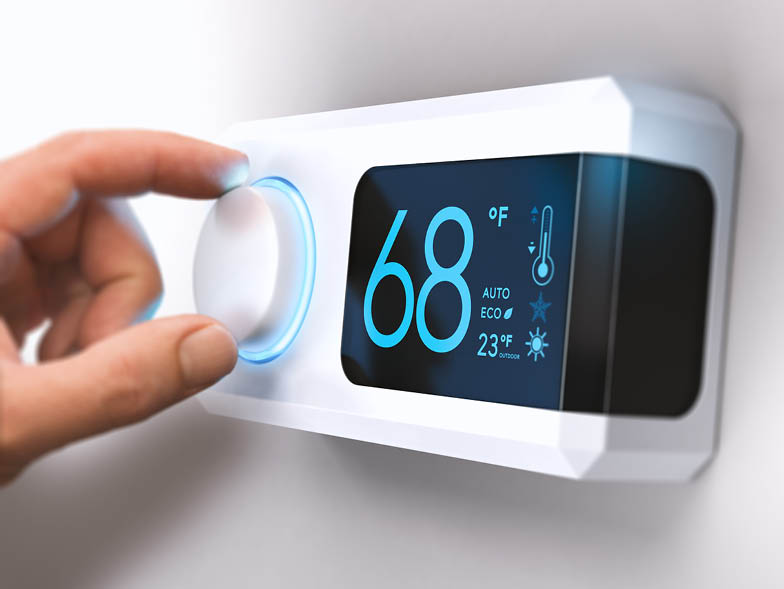
Energy-efficient homes continue to gain traction with buyers for good reasons. Lower utility bills, modern systems, and eco-conscious features add immediate comfort and long-term appeal. Easy upgrades include:
- Sealing drafts around windows and doors
- Adding or improving attic insulation
- Installing programmable or smart thermostats
- Upgrading old appliances to energy-efficient models
Bigger investments, like new windows, solar panels, or high-efficiency HVAC systems, can also pay off, especially if you plan to stay in the home long enough to enjoy the savings yourself.
Invest in functional, flexible spaces
As lifestyles evolve, buyers increasingly look for homes that can adapt to changing needs. Creating spaces that serve multiple purposes can add lasting value, especially if you eventually decide to sell. Think about:
- Converting a spare bedroom into a dual office/guest room
- Finishing a basement for extra living space
- Adding built-in storage for better organization
- Creating an outdoor area ideal for dining or relaxing
A home that feels usable, versatile, and well-designed will stand out in any market.
Keep records of improvements and maintenance
Documentation is a powerful tool when it’s time to sell. Keeping detailed records, including receipts, warranties, service logs, and before-and-after photos, can help demonstrate the care and investment you’ve put into your home. Buyers appreciate the transparency, and it can strengthen their confidence in the condition and value of the property.
Building long-term value in your home doesn’t require a massive renovation budget. It’s about protecting what you have, making thoughtful improvements, and understanding how your home fits within your neighborhood. By keeping up with maintenance, choosing upgrades wisely, and staying aware of market trends, you’ll enjoy a more comfortable home today and a more valuable one tomorrow. And when you’re finally ready to list, you’ll know you’ve created a property that stands out for all the right reasons.
5474 Views
Related Posts




Popular Posts