How Fine Fabrics Evolve
Interview with Anthony Monaco
Photography courtesy of Evolve Textiles
When you think of the comforts of home, soft and sumptuous fabrics may be one of the many elements that comes to mind.
The decor company Evolve Textiles takes this value and turns it up a notch, as founder and CEO Anthony Monaco discusses
Tell us about your design background:
I don’t have a traditional background in my field. As a child, I was very much into coloring, drawing, and other forms of creativity, but my parents didn’t support my passions; they wanted me to be a stockbroker. So I went to business school, then sought a career in fashion selling high-end men’s suits. One day, I read a job posting for a showroom position at a suiting company, but when I arrived at the staffing agency for the interview, I found out the position had been filled. The staffer suggested that I pursue an opening for carpet sales with the D&D Building, a famous, high-end home materials store in New York that he described as “fashion for the home.”
I was blown away when I first walked into that building; people were dressed to the nines in brands like Chanel. On the job there, I got to work with all kinds of beautiful products and be around the best interior designers in the world. It was the result of poor luck but ultimately a good fit for me. Ten years later, in 1998, I grew to a point where I could start my own company, Evolve Textiles, bringing in other creatives like Anthony Baratta and Gary Chapman to design alongside me.
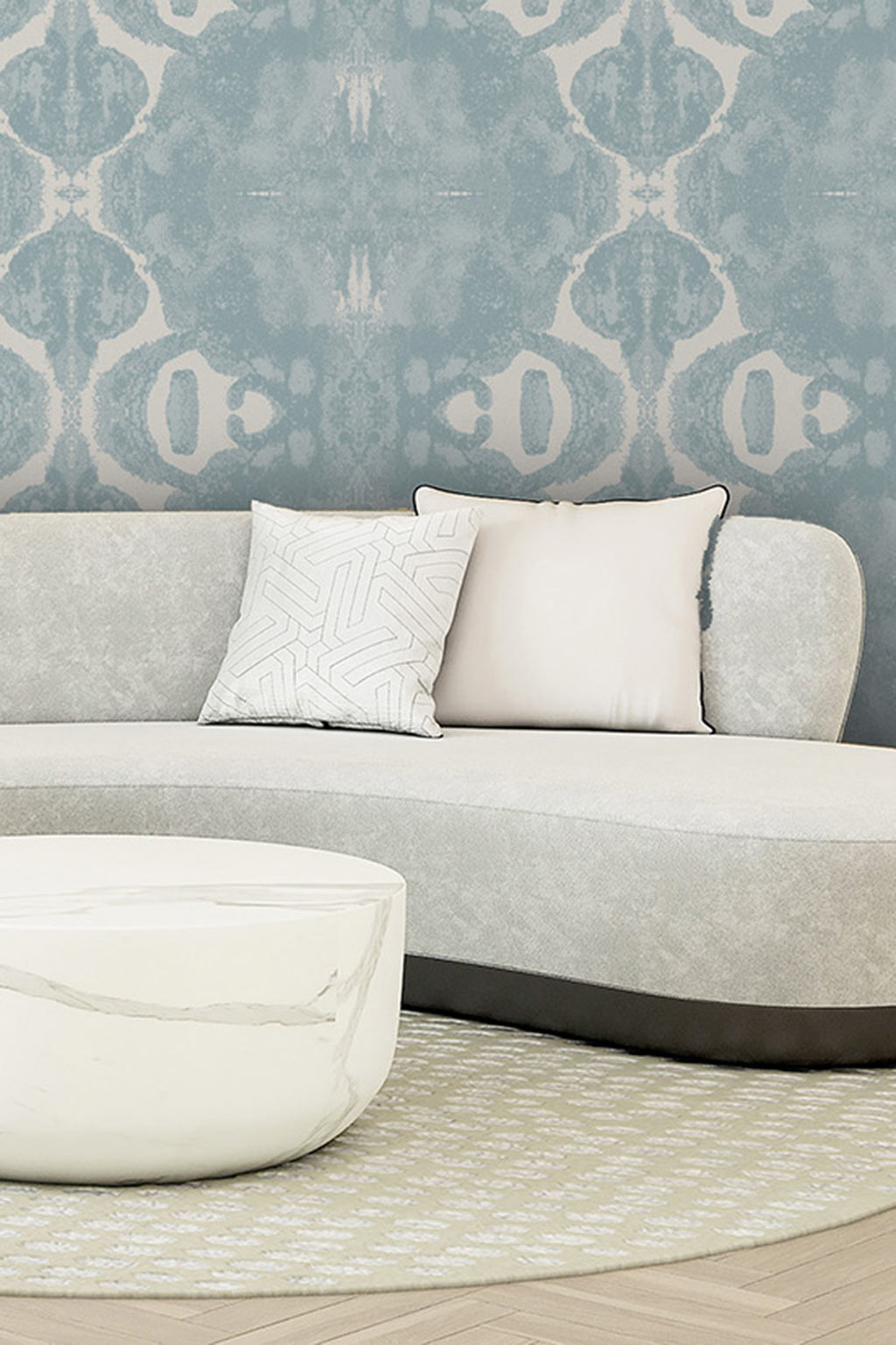
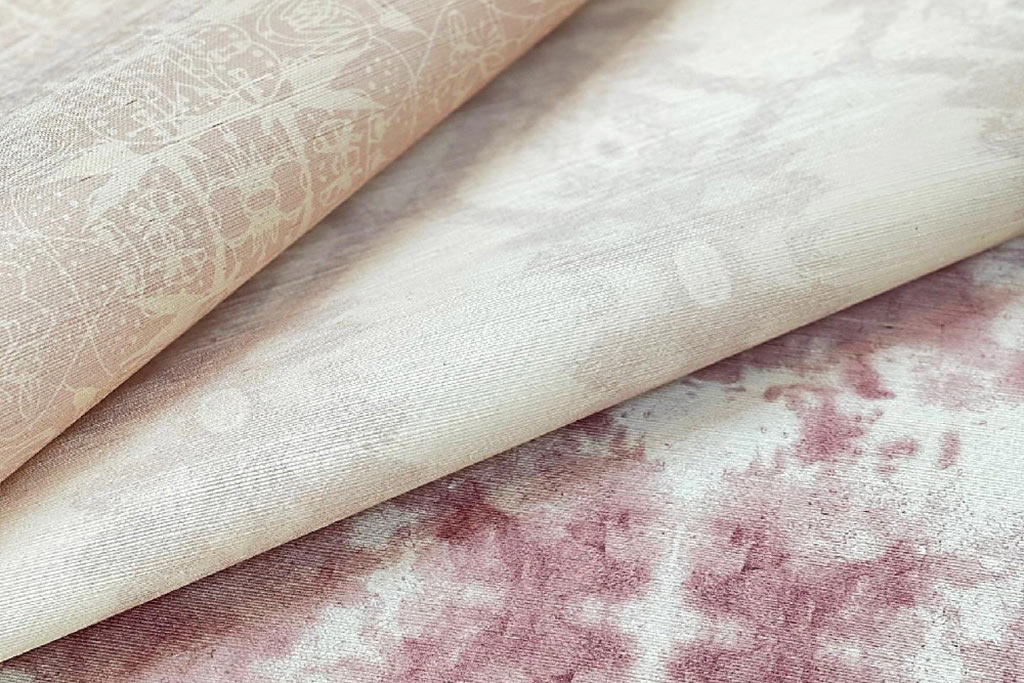
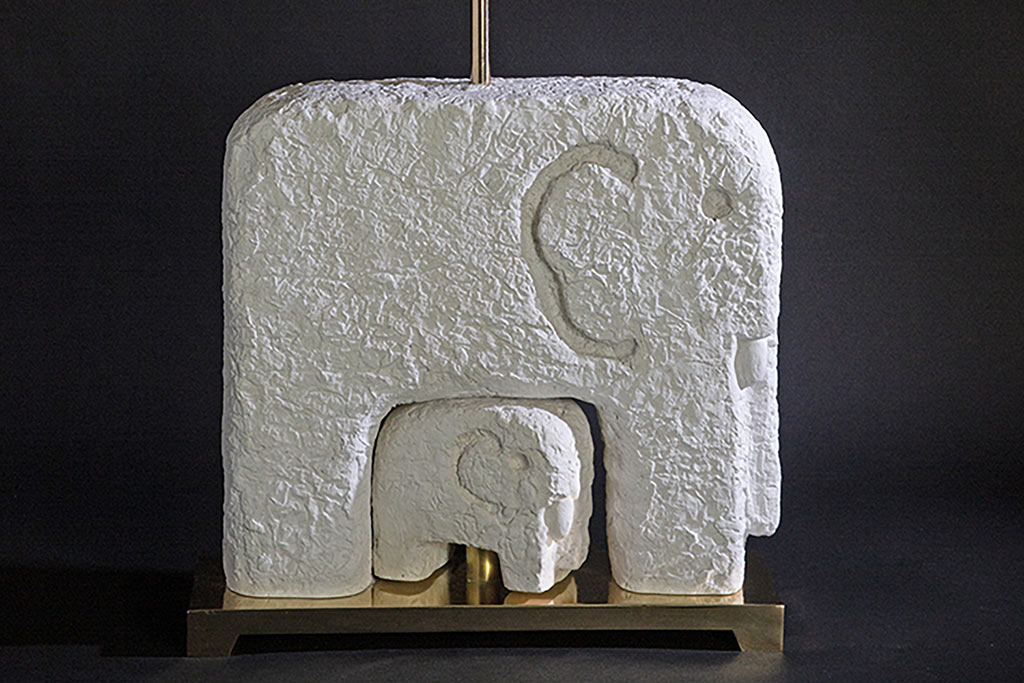
Together we create artisanal fabrics and other wall coverings that can be used for wallpaper, upholstered furniture, drapes, or even a dress, if a client wants—as long as people are mindful of their design choices. For example, one of my linens would need a backing for greater stability before using it on a custom club chair. We also make lighting and other decor like wall art and artifacts. I’m very fortunate to now be considered one of the top names in the industry and work for very high-end clients.
How did you decide which artists to work with?
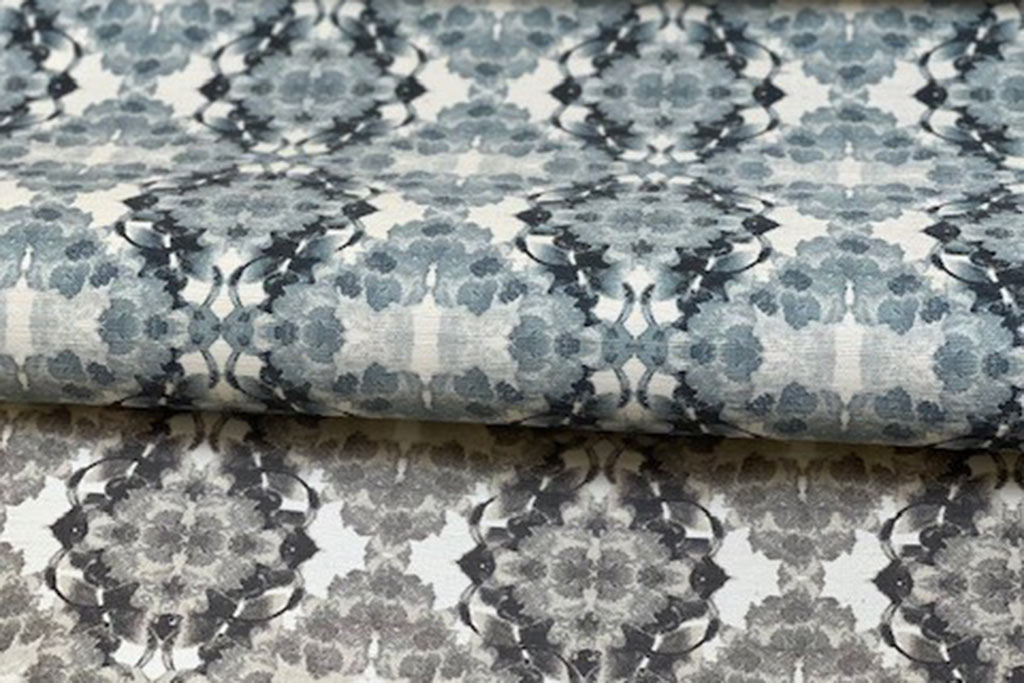
All my collaborations came out of friendship, a shared vision, and some outside-the-box thinking. These are people I was having lunch and enjoying creative conversations with. Chapman, for one, was a painter and sculptor. He made some clay black scarabs as home decor for a client of his—but they ended up not being a fan of the pieces. So I said, “Why don’t we recast them in nickel and bronze?” One thing led to another, and we were soon designing lamps together. Once I viewed more of his art, I realized that some visuals translated into goods like wallpaper and suggested that we print his fun designs on grass cloth. Inspiration comes in many ways.
What makes your company and what is has to offer so unique?
It’s certainly subjective, but for me, it’s about having a fresh vision. Big fabric firms and major furniture companies face a level of pressure to follow the mold that we don’t. Our products are made to order, meaning my designers and I customize goods rather than trying to sell inventory. That way, we can collaborate to craft the right elements that will work in a client’s space: something that adds scale and incorporates unique design features. This freedom allows us to be more visionary than reactionary. Nothing that my team or I do is pedestrian; I like our work to be fun and exciting. The products we put out there help a room feel more curated, moving guests to say, “Where did they find that? That’s something I’ve never seen before!”
Do you feel that your interest in fashion continues to inspire your work?
Absolutely. For example, there’s a big, trendy show in Paris called Première Vision that reveals the latest in fashion colors, designs, etc. It’s huge for people in the fabric industry. I knew when I started my business that this show was invaluable because the colors seen in current fashion typically influence interior design three to five years down the line. One case was the use of purple, which became a trend in fashion well before it became popular for furniture and decor designs.
Part of the reason I’m able to stay ahead of the curve is that I can anticipate what’s going to be the next big thing. But a good aspect of our industry is that the trends don’t change every season like in fashion. One of my contributing artists, Tia Cibani, was formerly the head creative for the runway brand Ports 1961, and she has said that she felt constantly under the gun there. But in home design, there’s less consistent pressure to change and replace goods, so you get more time to sit within certain styles and push them further.
What do you anticipate will be trending in home design this year?
I think we’re moving out of the modernism we’ve seen since the early 2000s and leaning more transitional or even a tad traditional. Elements such as intricate, more old-fashioned sofa and chair legs are reflecting these changes. This traditionalism isn’t your grandmother’s decor, though; it imbues a sense of gravitas in a room that makes it less cold.
That said, never be afraid of the choices you wish to make. You know what you like, and at the end of the day, home design is individual. Be yourself—don’t allow your home to look like everyone else’s.
For more info, visit evolvetextiles.com
3024 Views
Related Posts


Popular Posts