All about Window Coverings
When it comes to designing your interiors, the finishing touches often bring everything together.
Take window coverings, for example. These fixtures do more than block sunlight—they can also set the tone for a space, offer privacy, and even improve your home’s energy efficiency. But with so many types to choose from, picking the right one for each room can feel overwhelming. To help make the selection process easier, here’s a breakdown of popular window treatments and where you might want to use each one.

Curtains and drapes
The most traditional and versatile options, these coverings come in an incredibly wide range of fabrics, colors, and patterns, instantly adding softness and style no matter which you select. Drapes and curtains are virtually the same, but there are key differences between them—the former are lined and are generally thicker and heavier, characteristics that may lend a more formal or dramatic look.
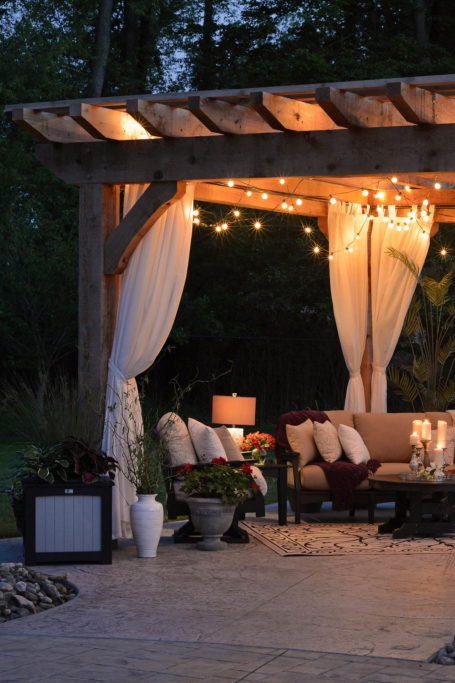
Consider drapes for your bedroom, opting for ones in a heavy velvet; hang them at least four to six inches above your window, and ensure that they are long enough to touch the floor. On top of setting a cozy tone, they will provide more seclusion and block light for an optimal sleeping environment. Meanwhile, lighter, sheer curtains are a great choice for areas where you may want to let some natural light in while still maintaining a bit of privacy, such as the living room and kitchen.
Blinds
Blinds are a practical, low-maintenance choice for numerous areas in your home. Horizontal styles are appealing for bedrooms, offices, and kitchens, where you may frequently want to adjust the amount of natural light and privacy without having to deal with bulky drapes or curtains. However, they can be difficult to lower and raise on tall and wide windows, making vertical slats more ideal. Such blinds are also more suitable for sliding doors since they’re often on a track system and will move side to side with the door.
The possible materials to select from are plentiful, including wood, faux wood, vinyl, and aluminum, and be just as mindful of the hues. Blinds in neutral tones, for instance, can help a space feel clean and modern, especially when matched to your trim or wall color.
Shades
These fabric-based coverings roll, fold, or stack up when raised, providing a similar softness to curtains and drapes but the convenience of easier maneuverability and light filtering like blinds. These are the most popular types:
- Roman shades bring a tailored, elegant appearance to dining rooms and bedrooms since they fold neatly into pleats.
- Cellular or honeycomb shades can boost insulation and energy efficiency, making them a smart pick for sunny rooms or those with drafty windows.
- Roller shades are sleek and minimal, perfect for modern spaces and small rooms where you don’t want any added bulk.
- Solar shades are just like roller options, but they also filter harmful UV rays while allowing for different transparency levels.

Shutters
As permanent fixtures, interior shutters are often more expensive than other window coverings but are built to last. Even better, they can also increase the value of your home—in fact, according to This Old House, they have an estimated 75 percent return on investment. Plus, the wood or composite materials are incredibly easy to clean. Offering excellent light control, insulation, and privacy, shutters may work best in living rooms, bedrooms, and bathrooms, and their classic look fits both traditional and contemporary designs.
Layered treatments
Sometimes the best solution is a combination of treatments. For instance, pairing sheer curtains with wood blinds in a bedroom gives you the ability to leave the blinds open for extra light but pull the curtains for some privacy during the day. Or try mounting Roman shades under velvet drapes for a comfy, multifaceted look in a living room or home office. Mixing styles in this way creates more elegance in spaces and gives you greater control than you’d otherwise have with just a singular option.
Whether you want to frame a view, block out the morning sun, or add texture to your space, the right window covering can elevate any room. Consider your needs for light, privacy, and style, and don’t be afraid to mix and match for a personalized touch that’s both beautiful and functional.
191 Views
Related Posts



Popular Posts