Does Your Home Insurance Cover Winter Storm Damage?
Winter storms may not be welcome, but in some years they’re unavoidable. This makes it crucial that you prepare accordingly.
The financial impact of this weather is significant: CNBC reports that the average insurance loss for water damage and freezing ran $15,400 between 2019 and 2023—and State Farm reports that its average frozen-pipe and winter water claim topped $30,000 from January 2024 through June 2025. Learning what your homeowners insurance policy covers before a storm arrives—and keeping up with seasonal maintenance—are essential steps to take this season.
What your policy typically covers
Standard homeowners insurance covers a solid range of winter perils. According to the Tennessee Department of Commerce and Insurance, most policies protect against wind damage, structural collapse from the weight of ice or snow, and water damage from burst pipes, provided the home was properly heated and not left unoccupied. If a covered event makes your home uninhabitable, additional living expenses are typically reimbursed as well.
What falls outside standard coverage is equally important to know. Flood damage typically requires a separate flood insurance policy. Also, interior water damage from a storm may be excluded if there is no corresponding structural damage to the roof or walls. Claims for damage traced to neglect, such as pipes that froze in a home left without heat, are also typically denied. It’s important to remember that insurance is made to cover unpredictable or accidental events, not ongoing maintenance issues.
Protect your home and prevent claims
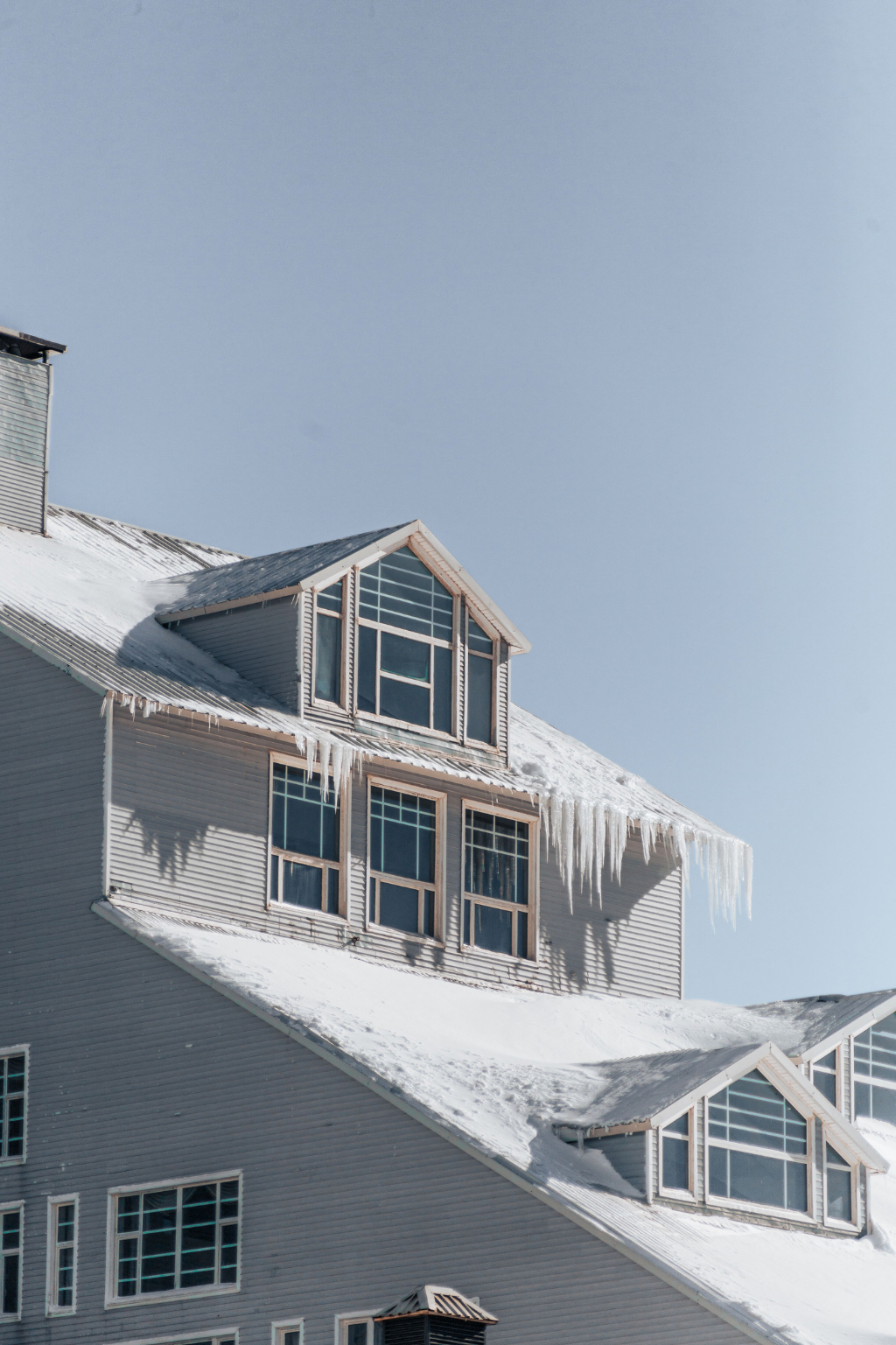
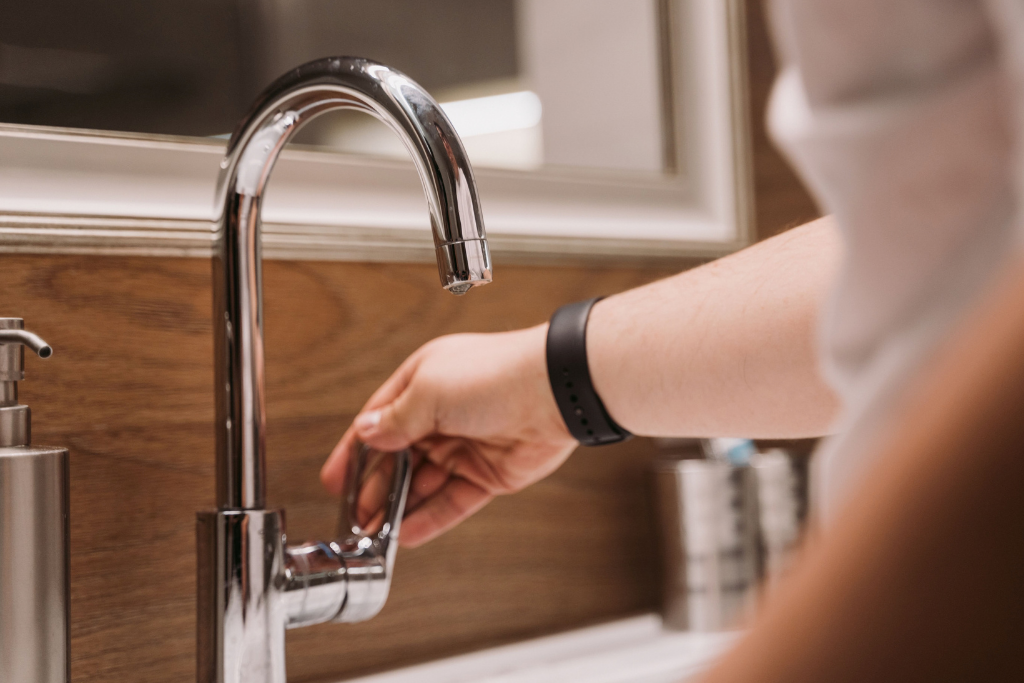
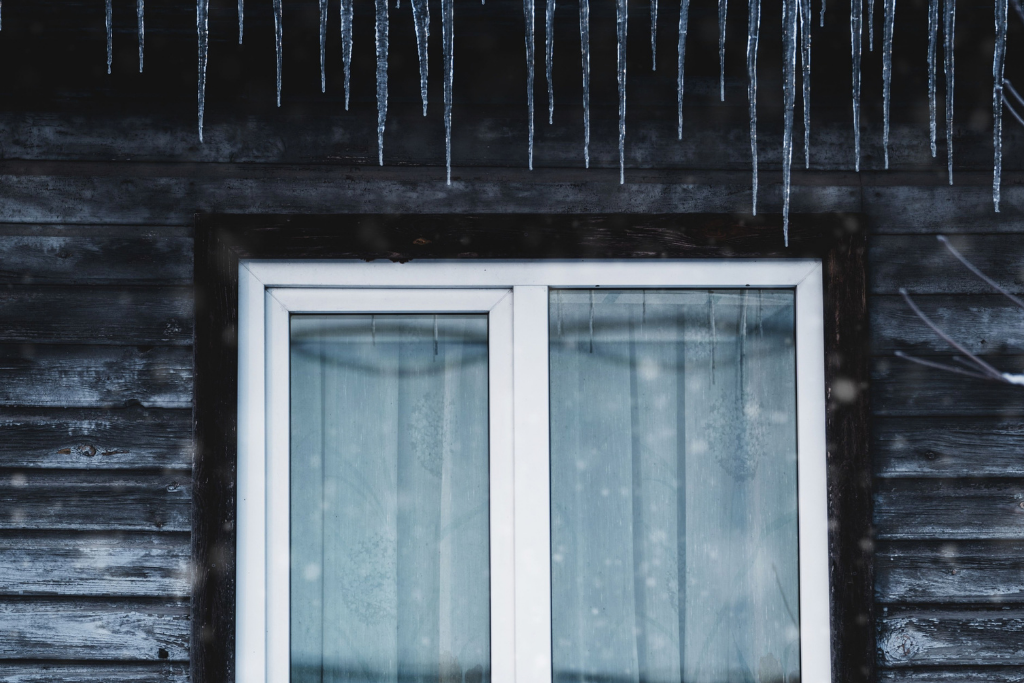
The good news is that the most common winter claims are also among the most avoidable. The National Association of Insurance Commissioners recommends clearing gutters before the cold sets in, insulating attic spaces to maintain even roof temperatures (which prevents the melt-and-refreeze cycle that creates ice dams), disconnecting garden hoses, and winterizing outdoor irrigation systems. Inside, insulating exposed pipes in unheated spaces (like basements, crawl spaces, or garages) and keeping your thermostat no lower than 55°F, even when you travel, dramatically reduce the risk of a burst pipe.
One often-overlooked step: document your maintenance. Keep receipts, and take pre-storm photos of your property when forecasts call for a major storm. This paper trail will demonstrate that your home was properly maintained—a meaningful distinction when an adjuster is evaluating whether damage was sudden or the result of neglect.
Review your policy before the season changes
Fall is one of the best times to sit down with your agent and confirm that the limits on your homeowners insurance coverage reflect what it would actually cost to rebuild or repair your home today. Material and labor costs have risen steadily, and an outdated dwelling limit can leave gaps that could affect what your insurance pays after damage.
If you’re in a region prone to heavy snow or ice storms, ask your agent about water backup coverage, which protects against sewer and drain backups that many standard policies exclude, and confirm how your policy handles leaks from ice dams. These are two exclusions in many standard policies, but they could be worthwhile add-ons. Scheduling a brief conversation now, before winter weather sets in, is far more prudent than arranging a stressful one after a storm passes.
2 Views
Related Posts




Popular Posts