Defend Your Deck: Ways to Minimize Damage
Your deck takes a beating every single day. Sun, rain, snow, foot traffic, potted plants trapping moisture against the boards—the list of threats is longer than most people realize.
The good news is that protecting your deck isn’t complicated. A consistent maintenance routine and the right materials can save you thousands of dollars and a great deal of frustration.
Perform an annual inspection
Once a year, examine your deck with fresh eyes and a critical mindset. According to Angi’s deck maintenance guide, you should clear debris from between boards once a year to prevent moisture buildup; then inspect for loose boards, rusted or corroded fasteners, splintered wood, and any discoloration that might signal mold or early rot. Press a screwdriver into the wood near posts and joists; if it sinks in easily, you may already have decay. Catching small problems early can be the difference between a straightforward repair and a full board replacement.
If you can access it, inspect the underside of the deck, where moisture collects beneath the structure and inadequate airflow accelerates deterioration in ways that aren’t visible from above.
Clean, seal, and stain
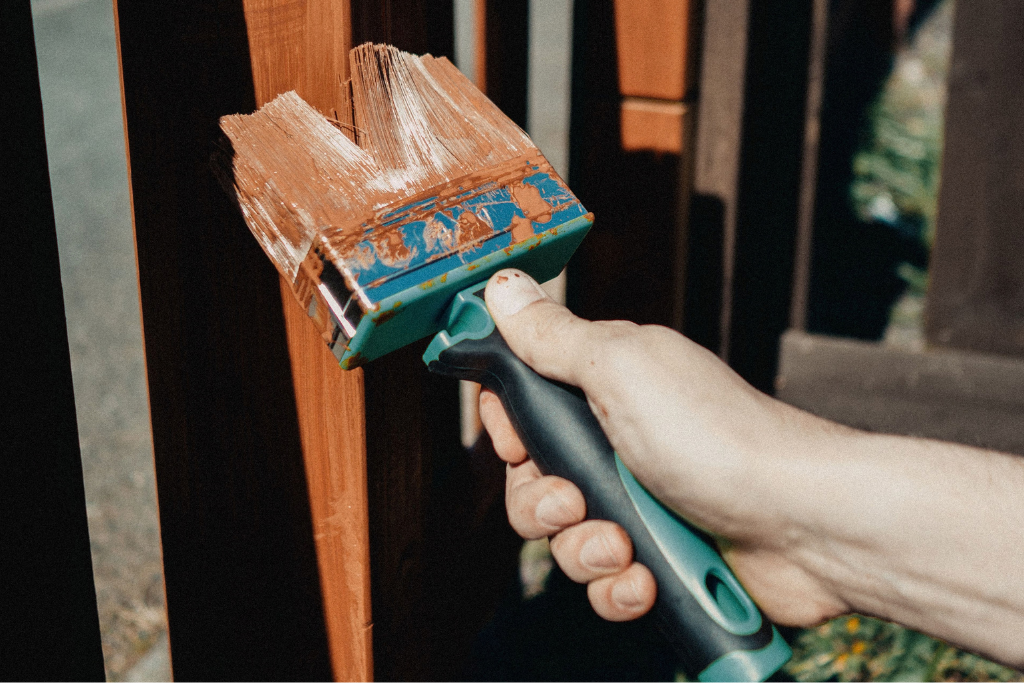
This level of prevention may save you money over time. For wood decks, cleaning and sealing every two to three years is the single most effective protective step you can take. Sealants prevent water from penetrating the wood grain, which stops the swelling, cracking, and rot that follow repeated moisture cycles. Apply sealant or stain during dry weather, when humidity is low and the wood is fully dry.
Composite decks require less intensive care, but they still benefit from regular cleaning to prevent mold and mildew, particularly in shaded areas. Avoid pressure-washing composite boards at high settings since excessive pressure can damage the surface finish. For good results without the risk, use a mild detergent and a stiff brush instead.
Manage moisture and sun exposure proactively
Two forces do the most cumulative damage to any deck: moisture and ultraviolet radiation. Planters, outdoor rugs, and furniture left in fixed positions trap moisture against the boards beneath them, creating ideal conditions for mold and mildew. Make it a habit to move these items periodically to let the surface breathe and dry. In winter, remove furniture entirely to reduce the weight load on boards and allow snow or ice to clear naturally.
For wood decks, UV rays are equally destructive over time: They fade color, dry out the natural fibers, and cause surface cracking that makes room for water infiltration. A quality UV-blocking sealant addresses this directly, and adding a shade structure or pergola can meaningfully extend the life of both your deck surface and your outdoor furniture.

Maintenance and coverage work together
The smartest approach to deck ownership combines consistent upkeep with appropriate insurance coverage—one protects the investment year to year, while the other protects you when something unexpected happens. After all, homeowner’s insurance typically covers decks for “acts of God” (e.g., a tree falls on it) but not wear-and-tear or neglect.
Review your policy annually, stay current on maintenance, and contact an insurance professional if you’re unsure whether your coverage accurately reflects what you own.
11 Views
Related Posts





Popular Posts