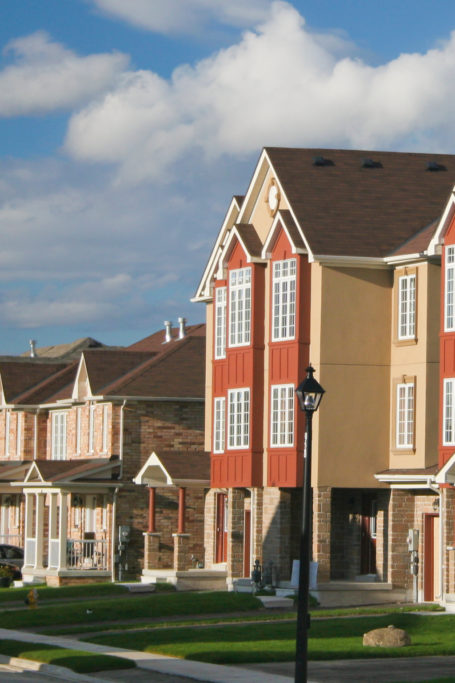
The 10 Most Vulnerable Areas of Your Home
Every home, no matter how well built, has its weak spots.
From weather exposure to everyday wear and tear, certain features simply do not last as long as others. Whether you currently own a home or are preparing to buy one, understanding the most vulnerable areas of a property can help you budget wisely, plan for maintenance, and protect your investment.
Here are ten areas of your home that tend to have the shortest lifespan or are most likely to show damage.
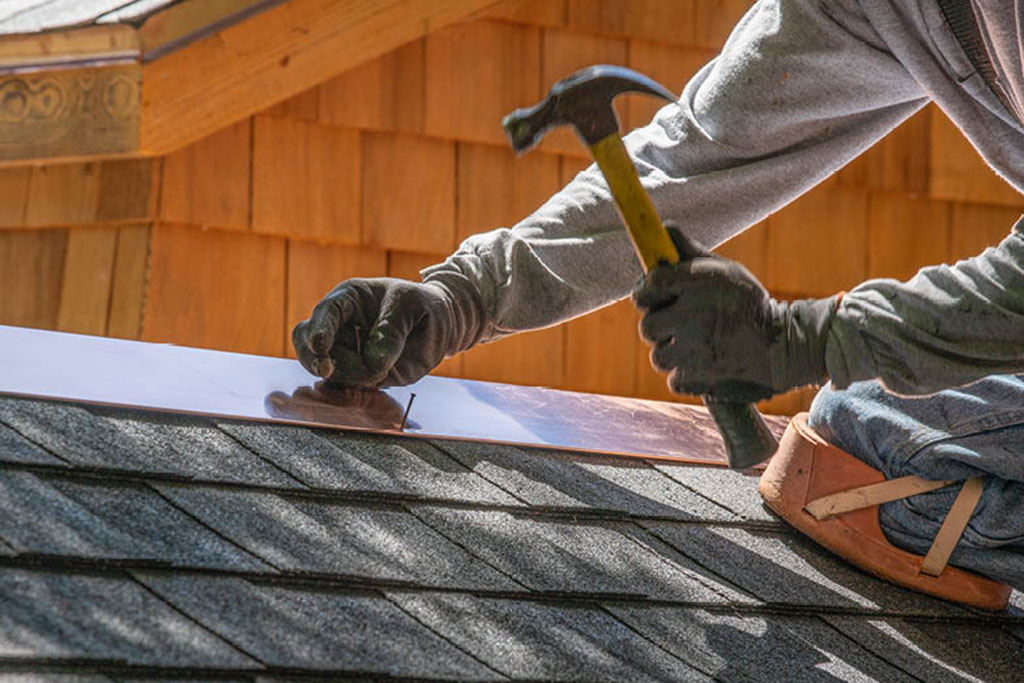
1. The roof
Your roof takes the brunt of the elements: sun, wind, rain, ice, etc. Even high-quality roofing materials have limited longevity, often ranging from twenty to thirty years, depending on the type. Missing shingles, soft spots, or discoloration can signal wear. Scheduling regular inspections can catch small issues before they turn into costly ones, like leaks.
2. Gutters and downspouts
Though often overlooked, gutters play a critical role in directing water away from your home. Because they are constantly exposed to debris and moisture, they can rust, sag, or clog. Damaged gutters can lead to foundation issues or water intrusion if not addressed promptly. Be sure to keep yours clean and ensure that they direct water away from your foundation.
3. Exterior paint and siding
These surfaces serve as your home’s first line of defense against moisture. Over time, paint can peel or fade, and siding may crack or warp. When this protective layer breaks down, the underlying structure becomes vulnerable to rot and mold. Repainting and sealing at recommended intervals helps maintain both curb appeal and structural integrity.
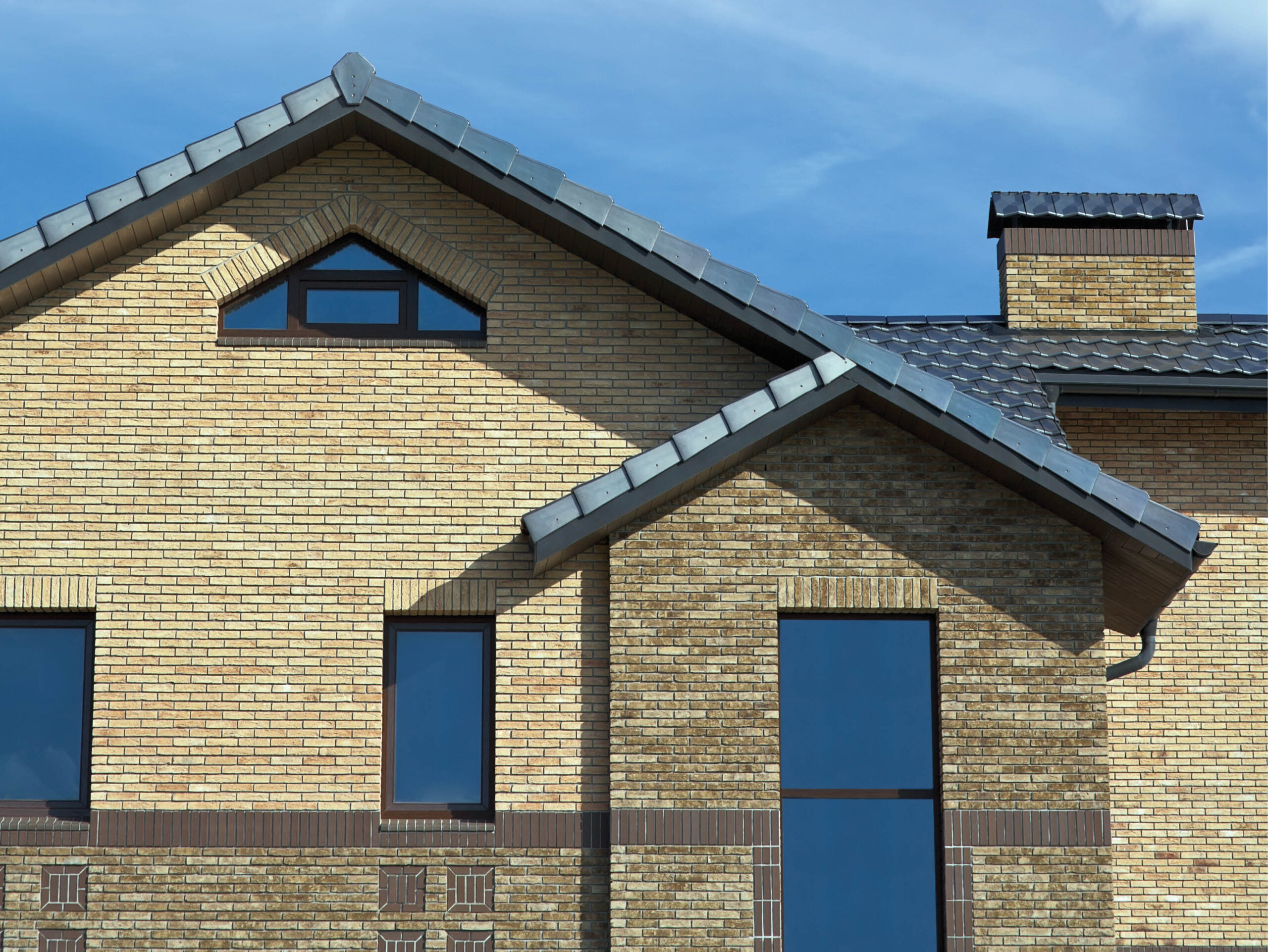
4. Windows and seals
Windows are exposed to temperature swings and moisture year-round. The glass itself may last for decades, but the seals and frames often fail sooner. Fogging between panes, drafts, or difficulty opening and closing windows can indicate deteriorating seals or warped frames, which may need professional repairs.
5. HVAC systems
Heating and cooling systems work hard every day, especially in regions with extreme temperatures. Most systems last about ten to fifteen years with proper maintenance. Neglecting routine servicing can shorten their lifespan and reduce efficiency, leading to higher utility bills and unexpected breakdowns.
6. The water heater
Water heaters typically last eight to twelve years. Because they store and heat water continuously, they are prone to corrosion and sediment buildup. Leaks, unusual noises, or inconsistent water temperature may signal that replacement is needed.
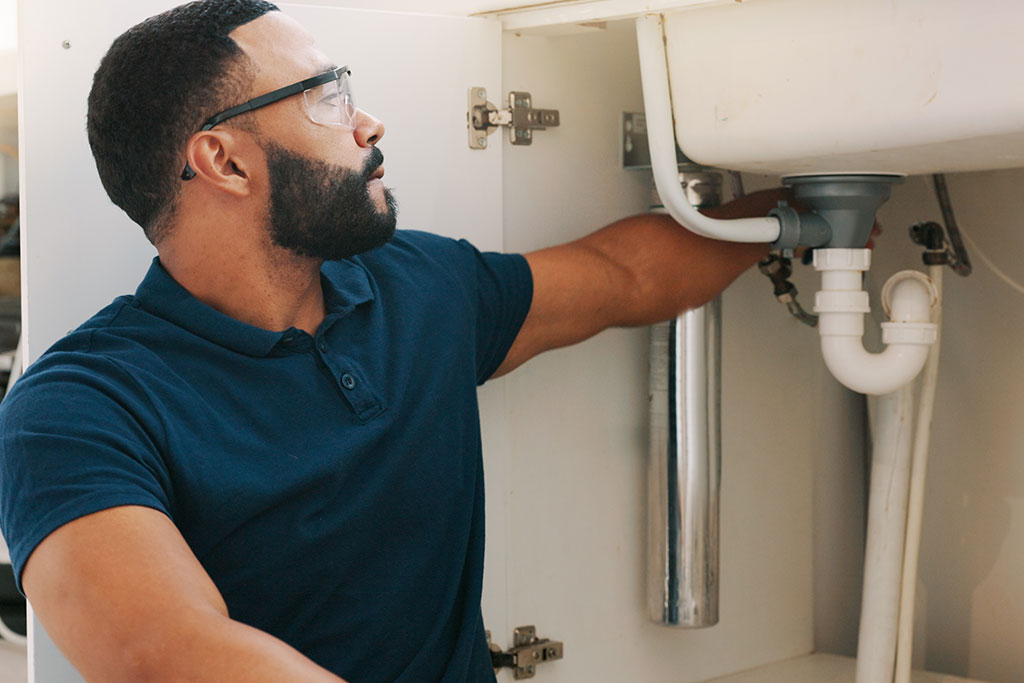
7. Plumbing
Faucets, supply lines, and certain types of piping can deteriorate over time. Even small leaks can cause significant damage if left unnoticed. Checking under sinks and around toilets periodically can help you spot moisture issues early, and preventative inspections can help catch additional issues.
8. Outdoor structures and flooring
Wooden decks, fences, and railings are particularly vulnerable to moisture, insects, and sun exposure. Without proper sealing and maintenance, wood can warp, crack, or rot. Regular cleaning and resealing can extend their lifespan and keep them safe for use.
9. Caulking and sealants
Caulk around tubs, showers, windows, and doors may seem minor, but it plays a vital role in keeping water out. Over time, it dries out and cracks. Replacing worn caulking is an inexpensive way to prevent water damage and mold growth.
10. High-traffic flooring
Entryways, kitchens, and hallways endure daily wear. Carpet can stain and mat down, hardwood can scratch, and tile grout can discolor. Choosing durable materials, cleaning spills immediately, and using protective rugs or mats can help reduce visible damage.

Protecting your investment
No home is maintenance-free, but staying proactive makes a difference. By understanding which features are most vulnerable, you can plan for repairs, schedule routine inspections, and avoid surprises.
Whether you are buying, selling, or simply caring for your current property, keeping an eye on these key areas will help preserve both your home’s value and your peace of mind. To learn more about keeping your home in top shape, get in touch with a real estate professional.
3603 Views
Related Posts




Popular Posts