Working Well with Contractors
Veteran home builder and real estate coach Dennis Walsh, co-owner of the online training program yourhome.academy, shares some key thoughts about collaborating with contractors and tradespeople who may work on your home—so you not only end up with the home of your dreams but also do so without stress.
Communicate often
Whether it’s with a specialty contractor or the general contractor, there should be an established line of communication. Too often, a homeowner jumps in and sends a message through anyone they can find on the job—and too often that message either gets lost in the shuffle or gets misinterpreted and shared incorrectly with someone in charge.
So the lesson here is to establish right upfront how communication is to be properly handled and with whom—and make sure that’s exactly how it happens. Further, I would suggest that all key communications are recorded somehow in writing, whether it be in the form of an email or text or some other agreed-upon system.
Establish regular updates
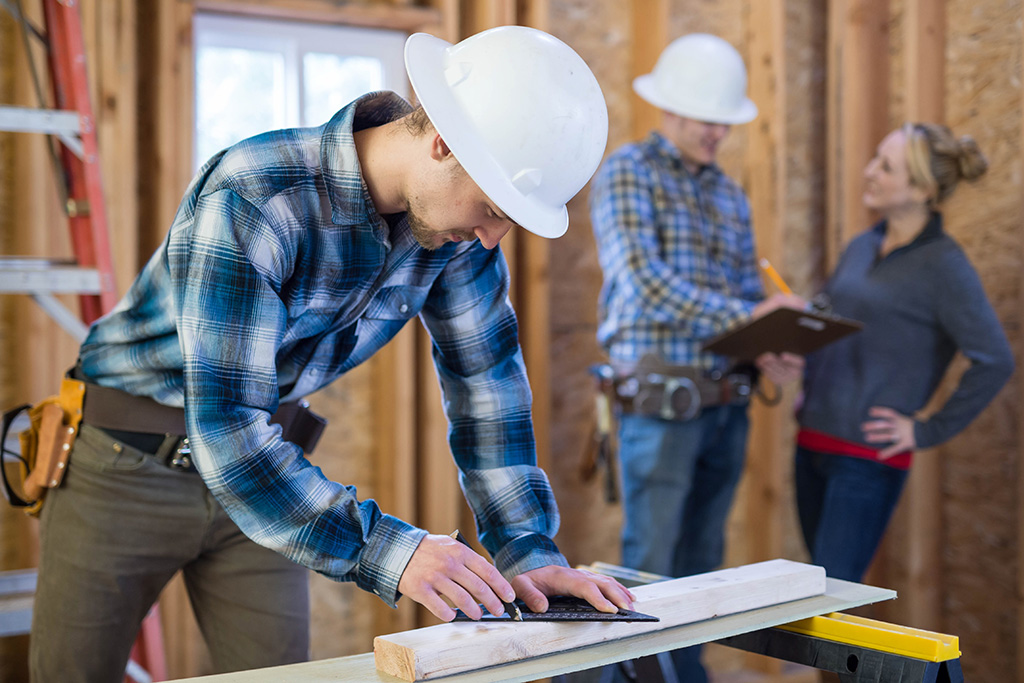
An approach used by many professional contractors is to not only establish a consistent point of contact but also schedule a weekly appointment for a call or meeting to review questions, selections, and the progress of the project. I found this highly effective in my custom building and remodeling business. Unless there was something that appeared to be an emergency, our customers would keep notes of questions to review during their weekly update call or job-site meeting.
Identify a process for changes and selections
Even when you know the correct point of contact, it’s important to establish the process and paperwork that will be used to quote any pricing details and how and when any additional costs will be paid; you should also give us a permanent record of this.
The same thing applies to selections. When and how do we choose colors, finishes, and details of things like roofing, siding, cabinets, flooring, fixtures, and more? Are all selections finalized prior to the start of the project? Or is there a timetable set up to finalize these selections at different points as the project moves forward? These are important concerns and need to be established right from the start.
Make decisions and selections promptly and on time

As a custom builder, I lived through far too many situations where my customers kept procrastinating and caused delay after delay by not finalizing selections on time. In some cases, there were significant lead times for items like cabinets, specialty flooring, tile, appliances, and such. Delays to the project not only are frustrating for the customer but also become very expensive for the contractors.
What happens is many people freeze in their tracks with so many options to choose from, so they experience decision-making burnout. What I would tell them at some point early on is that there’s no such thing as one best overall choice; there are any number of great choices that will work fine.
Stay the heck out of the way
I can tell you as a contractor that a lot of well-meaning clients love to visit, stand around, and even help out by holding the ends of boards we’re cutting. They just generally find ways to be part of the fun.
Unfortunately, we really don’t need their help! More often than not, they’re just getting in the way, slowing the project down, and creating safety issues. In spite of their best intentions, all they’re doing is making it more difficult for us to get our work done.
So if you don’t have anything better to do at home, please just get the heck out of the house and come back later.
Don’t get “while you’re at it” disease
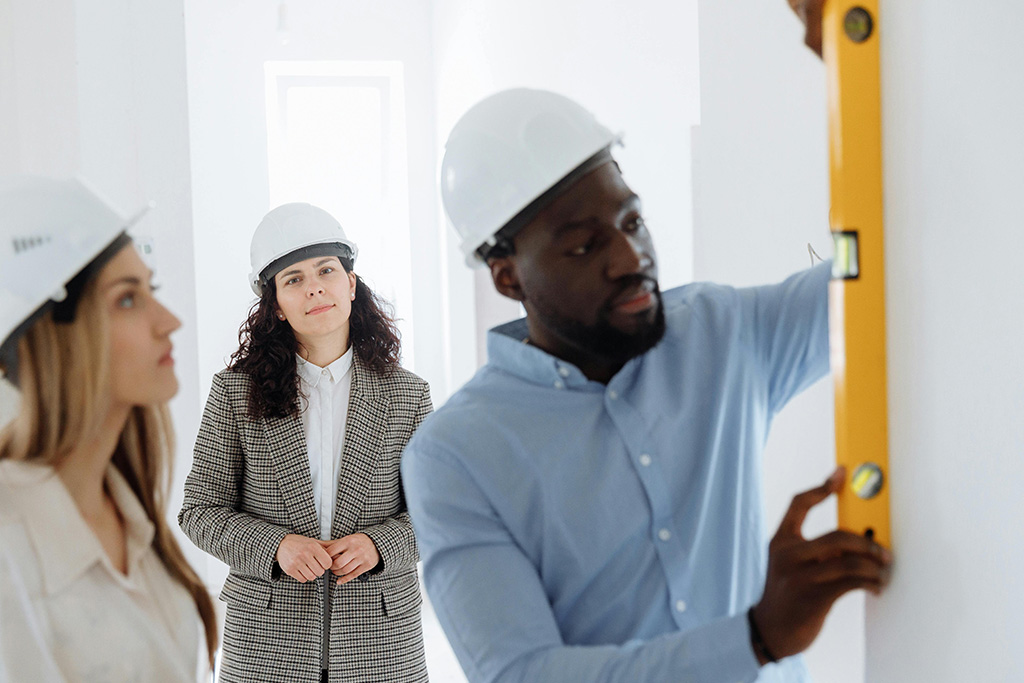
This is a common affliction that strikes some people whenever they have construction workers around.
Here’s how it happens: An electrician is working on some wiring, and the homeowner comes up and says, “Hey, while you’re at it, could you run some wiring over to the other side of the room and add another receptacle there by the window?” Or the plumber is running a gas line to the fireplace and they ask, “While you’re at it, would you take another gas line out to the back corner of the house for a barbecue grill?” And the special requests go on.
Unfortunately, what some homeowners are actually saying is “Since you’re already here doing this, could you also do this extra work for free?” The appropriate question is “How much will it cost if you were to add this extra work while you’re already here on the project?” Contractors will appreciate it when you don’t make them feel as if you’re trying to take money out of their pockets.
I hope you find this list of suggestions helpful as you prepare to jump into the swirling waters of home remodeling!
For more info, visit yourhome.academy
435 Views
Related Posts





Popular Posts