Dogs: Our Powerful Community Builders
Digital isolation and busy schedules can often make neighborhoods feel like collections of separate houses and private lives.
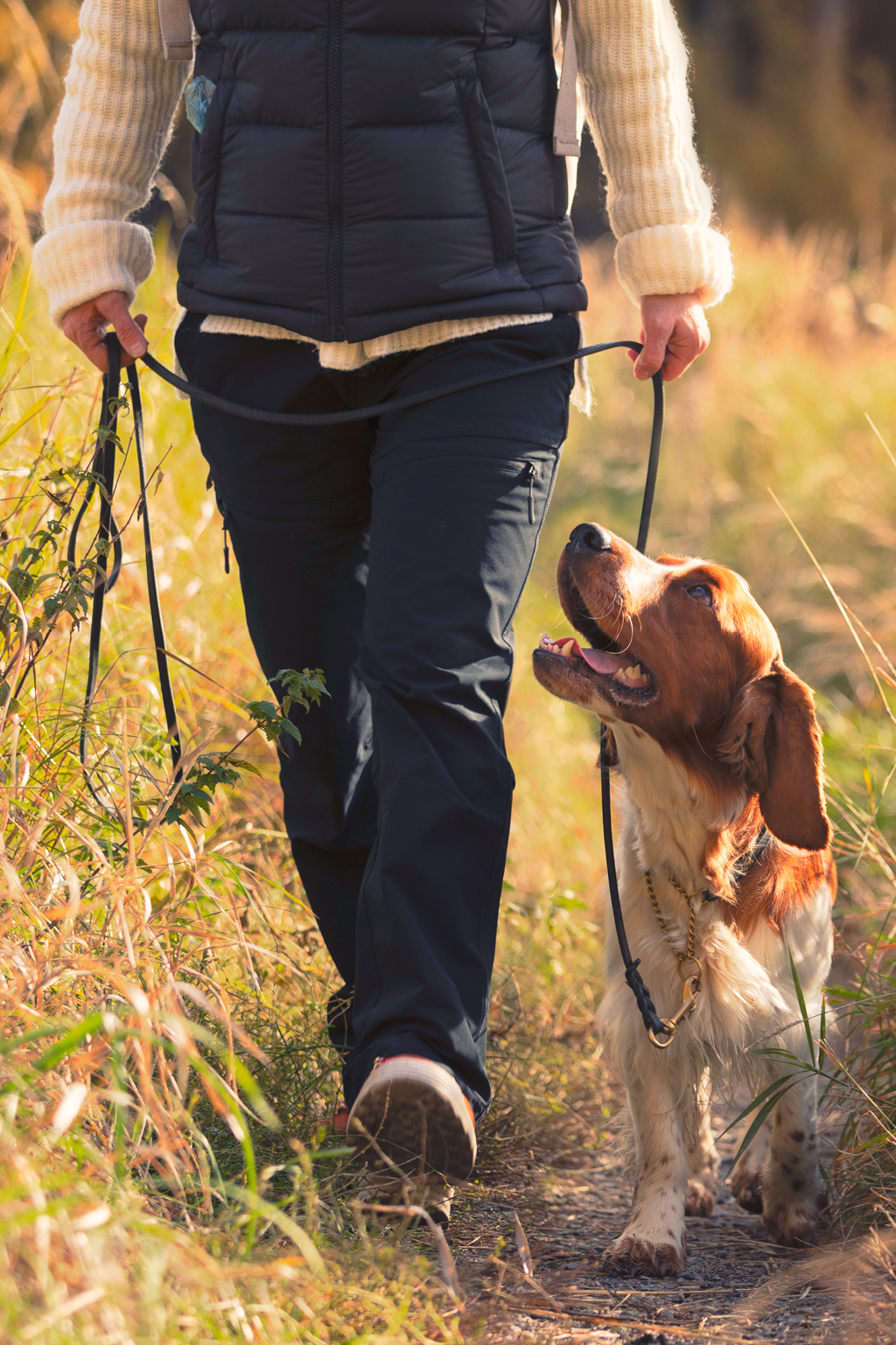
But if you look closely enough, you’ll notice four-legged forces unknowingly helping to weave that communal fabric back together—dogs. Man’s best friend can be an overlooked piece of social connection for many reasons. By needing outdoor time, they subtly push their human companions out of the confines of four walls and into the mutual life of the community.
Happy little routines
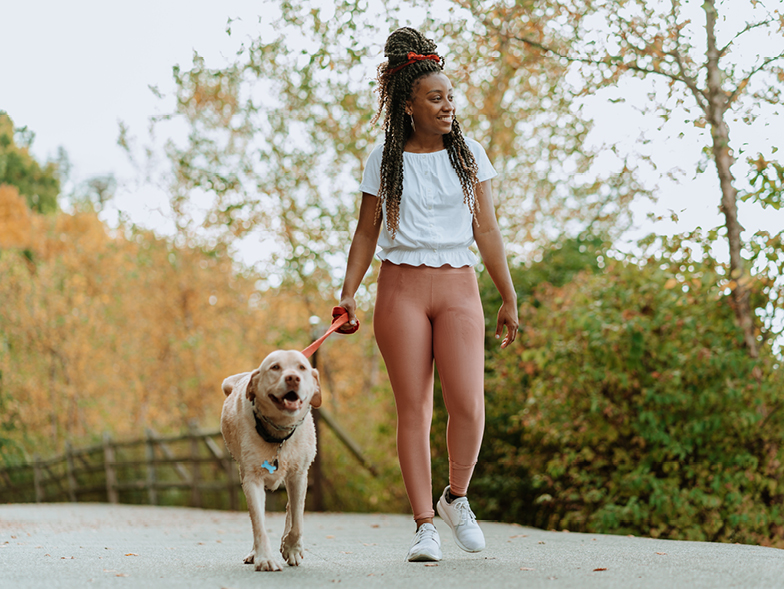
The foundation of most adults’ daily lives is predictability and routine. Without a dog, a person might leave for work, return home, then relax in their private spaces without ever interacting with their neighbors. But dogs demand a different structure: walks and play every day. This consistent schedule creates regular opportunities for their owners to spend time outdoors and perhaps even socialize with neighbors or other loved ones.
Additionally, because of their unwavering need for us, dogs compel us to be physically and socially present in our public environment, turning our attention outward to visit what sociologist Ray Oldenburg called “third places”: gathering spots distinct from home (the first place) or work (the second place). These include neighborhood dog parks, local nature trails, and dog-friendly businesses.
A person occupying such a space with their dog becomes a predictable presence, a familiar face and a fixture on the local landscape. You stop seeing a stranger and start seeing “Mike with the golden retriever who always waits for the light to change.” These ritualized routes turn otherwise monotonous streets into a shared stage for predictable, low-stakes interactions. You’ll begin noticing each of the other participants in the neighborhood play: the early-morning runners, the parents waiting for the school bus, and, most importantly, the other “dog people.”
From stranger to neighbor
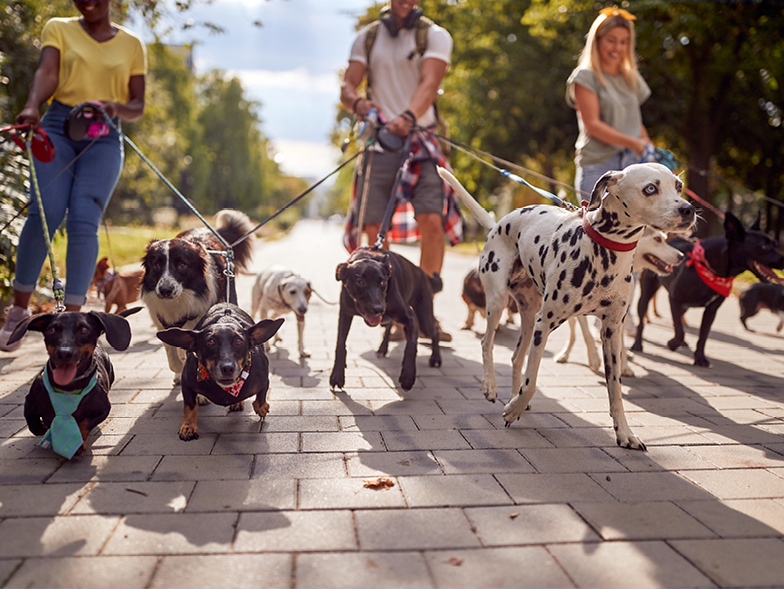
With a dog’s help, familiarity can bridge into friendship and other connections. In fact, perhaps the most powerful sociological role of the dog is its function as a catalyst for stronger interpersonal communication. They serve as the perfect icebreaker, bridging the awkward gap between otherwise strangers. In a world where initiating conversation with an unknown person is often viewed with suspicion, a dog offers a neutral, universally accepted topic of discussion: “What a cute dog. What’s their name?”
Small, casual exchanges such as this are profoundly important. Sociological studies confirm that pet owners, especially those who walk their dogs, report higher levels of social capital—the collective goodwill, helpfulness, and trust that residents have in one another—than non-pet owners. What’s more, when someone is accompanied by a dog, they are generally perceived as more trustworthy and likable than someone walking alone. This initial dog-mediated trust can create a wider ripple effect of goodwill across the community.
The interactions mediated by a pet are often characterized by what are known as “weak ties,” casual acquaintances you see regularly but don’t know intimately. In a thriving community, casual bonds like these are essential; they are the people you might wave to, rely on for a quick, friendly chat, or even ask to keep an eye on your house for a week. Dogs actively help their owners recruit and nurture crucial relationships, regardless of their age, socioeconomic background, or lifestyle beyond pet ownership.
Expanding the concept of home
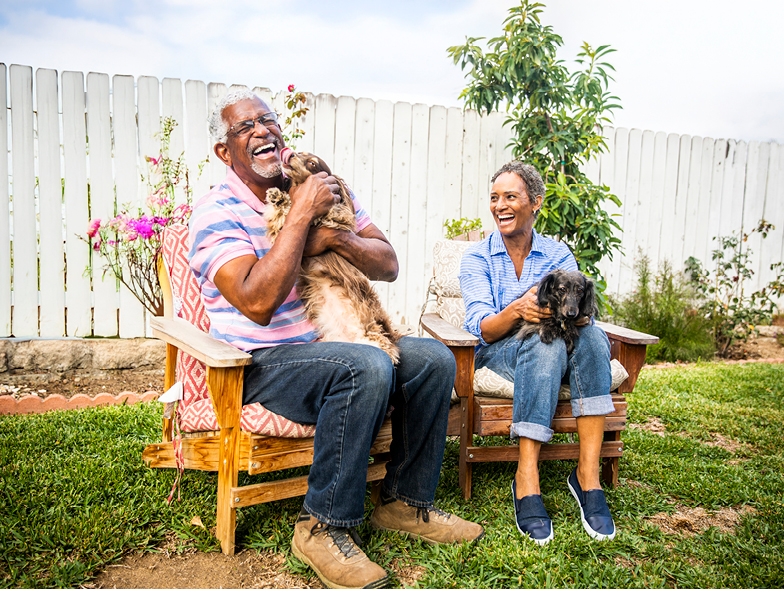
By demanding routine and brokering new friendships, dogs serve as essential pieces of social engineering. They encourage us to live more fully, actively, and connectedly in not just our private homes but also our public communities. As we spend time bonding with four-legged friends, we ensure that the warmth of our private lives extends happily to the avenues beyond our fences. These various benefits make dogs crucial parts of all our lives, and those who live without them need only visit their local shelter to begin expanding their horizons with such a companion.
17 Views
Related Posts





Popular Posts