Eco-Friendly Native Gardening
Now that spring has sprung, you may be ready to put on your gardening gloves and dig out your spade or hand trowel. If you’ve already made a trip to your local nursery, you might have noticed a new selection of native plants mixed in with the more commonly offered non-native options like Asiatic lilies, European or Asian forsythia, and English ivy. This is because landscaping with local plants has become a popular trend with homeowners who are looking to help the environment or are tired of nurturing nonindigenous flowers, trees, and shrubs that, in some cases, may require an attentive eye and careful feeding and watering to flourish.
The benefits of native landscaping
If you love the look of a manicured lawn or a garden filled with exotic flowers, then landscaping with native plants might not be for you. Nature-inspired lawns and gardens can include the types of flowers, trees, grasses, and bushes you’d see in a nearby forest or field of wildflowers. However, there are many advantages to incorporating native plants into your yard or garden, including:
- They tend to be hardy and can self-seed, so they can grow back year after year.
- Over the years, they have evolved to survive in your local ecosystem, so they most likely won’t require frequent watering, fertilizing, or other types of chemical treatments that can be costly and harmful to the environment.
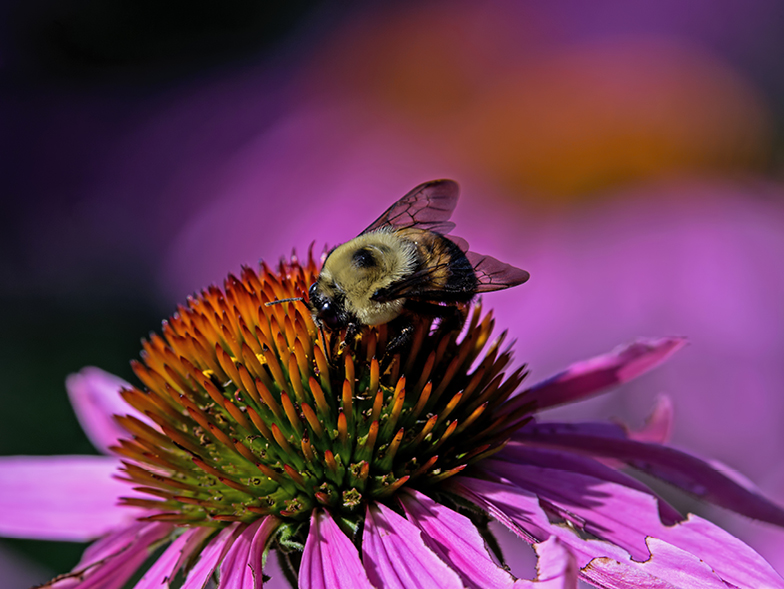
- Animals, insects, and pollinators can feed on them, which also helps your local ecosystem.
The negatives of native landscaping
While it might sound appealing to use mostly native plants in your yard or garden, there can be some drawbacks, such as:
- A yard or garden filled with indigenous plants can look too wild or natural to some people.
- A more limited selection of plants available for your yard or garden.
- The presence of more wildlife, insects, and pollinators in your yard than you like.
Planning your landscape
It’s a good idea to do some preliminary research before incorporating native plants into your space. Reach out to a nearby nursery to find out what local flowers, grasses, shrubs, and trees are available, and ask for suggestions on how to incorporate them into your yard or garden.
Also, be sure to place your plants in locations that resemble where they grow naturally. For example, put sun-loving wildflowers on the eastern- or southern-facing portion of your lawn, and place ferns where they can get some shade and the soil is moist. Keep the seasons in mind as you select your plants since some wildflowers may bloom in the spring and others in the summer. Here are some beautiful native plants to consider for your region.
The Northeast
- Pinxter flower is a tall spring-flowering shrub.
- Maidenhair fern is a graceful clumping plant for shady areas.
- Swamp milkweed blooms in midsummer and can host monarch butterfly caterpillars.
The South
- Hardy hibiscus sprouts red, white, or pink flowers in late summer or early fall.
- Bee balm’s red flowers attract butterflies and hummingbirds in the summer.
- Foamflower is an excellent ground cover for shaded areas.
The Midwest
- Gray-headed coneflower blooms all summer and will support local pollinators.
- Black-eyed Susan is beautiful in bouquets.
- Prairie dropseed is a delicate, clumping natural grass.
Mountain West
- Idaho fescue is a cool-season evergreen grass.
- Indian paintbrush is a wildflower that can be orange, red, or yellow.
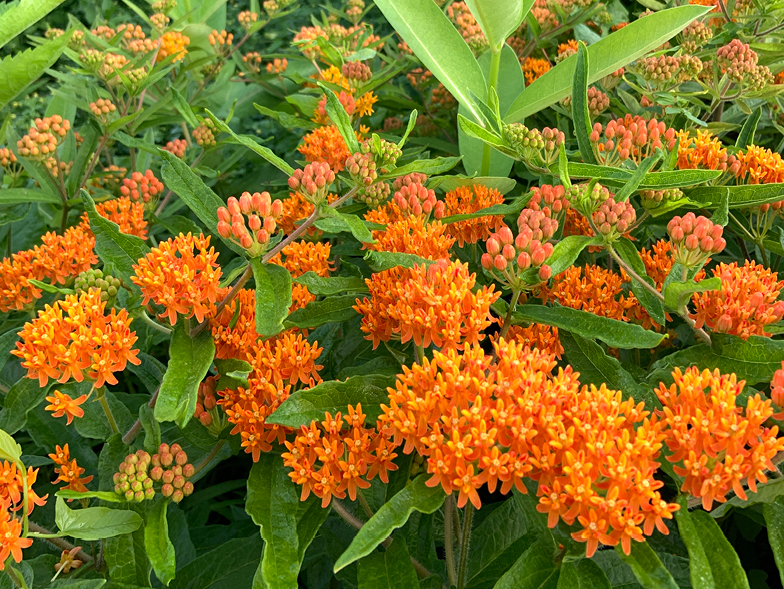
- Butterfly weed’s orange flowers will bring beautiful pollinators to your yard.
Pacific Northwest
- Shade-loving goatsbeard has plumes of delicate white flowers.
- Broadleaf sedum is drought tolerant and features bright yellow flowers.
- Gaillardia, also known as blanket flower, resembles a colorful daisy.
Start small
If you are just beginning with native plants in your yard, you might want to go slowly at first; you don’t have to convert your entire yard into a field of wildflowers. Indigenous plants that already thrive in your area won’t need much attention to prosper, so you may find they grow faster and larger than you expect. Begin with just a few plants to make sure they don’t require too much pruning. For example, you could add some indigenous flowers to your garden or get a hardy shrub or tree to shade your backyard. If you like the effect, you can continue to add more indigenous trees, flowers, grasses, and shrubs to create your own eco-friendly landscape.
Create order
Newbies to native landscaping who would like a traditional look to their garden or lawn can use the following tactics to keep their spaces looking tidy.
- Plant your flowers or other indigenous plants in groupings of the same variety so you don’t create an undisciplined hodgepodge of color and foliage.
- Mulch your garden to keep weeds to a minimum.
- Create a natural border with large rocks or another natural material around your flower beds.
Follow this guide, and, before you know it, you might find that you love your native landscape far more than a traditional lawn or predictable garden.
6899 Views
Related Posts


Popular Posts