What to Do About Wasps
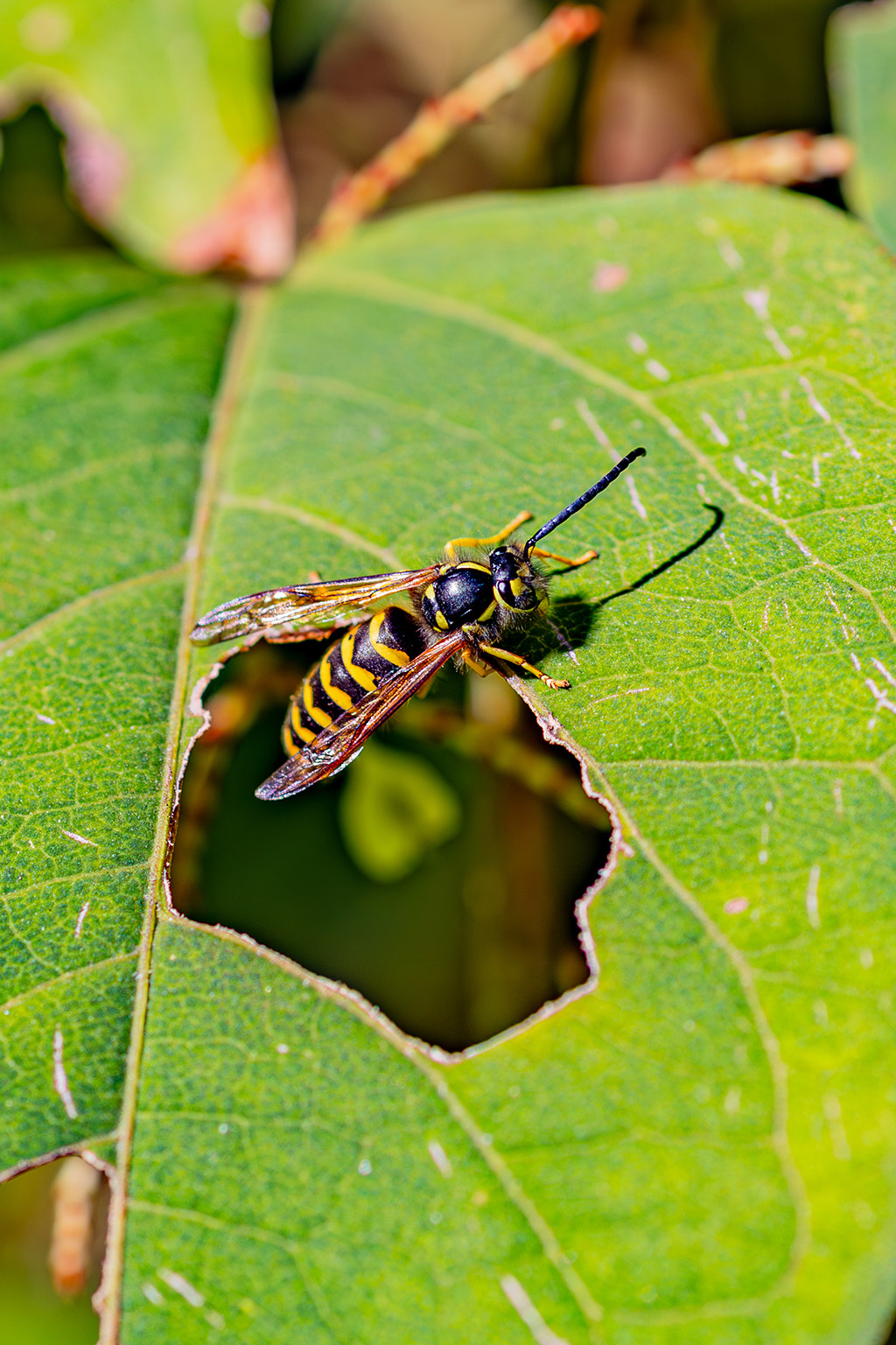
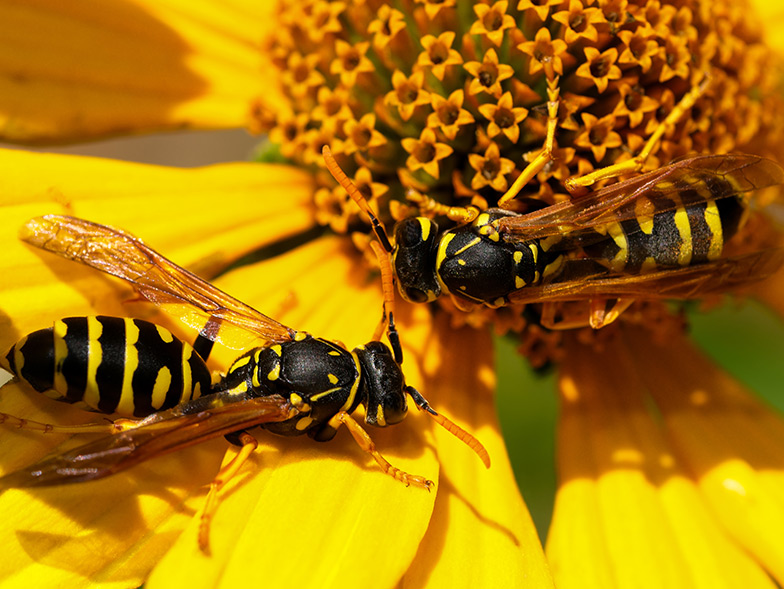
When it’s warm outside, certain pests are bound to show up—and wasps are one of the more dangerous. While they can help control other garden critters, including aphids, by feasting on them, wasps are also some of the most aggressive pests out there, attacking unsuspecting homeowners, their families, and their pets with painful stings. Worse, they can pose a serious health risk to people with stinging allergies.
So what can you do when wasp season is in full swing? Don’t ignore the problem if these fliers have invaded your territory. Here’s how to eliminate them safely and help prevent their return.
What not to do
Before delving into good wasp control, it’s important to know what to avoid. First of all, to avoid being stung, don’t idle near their nests, and don’t try to swat them away when they approach. These extremely confrontational pests respond to threats quickly, and that can mean attacking you (or a loved one near you) if they sense any danger. If you find yourself being surveyed by one, be calm and back away slowly until it departs.
Also, avoid reaching for chemical pesticides, many of which can not only be ineffective at wasp elimination but also harm other creatures, including pets and pollinators like bees or butterflies.
What to do
With that information in mind, here’s how to truly safely and effectively eliminate wasp nests. You may want to try using a natural-based wasp killer to stop them in their tracks. These options are available at local home supply shops and some grocers. Just be sure to follow their instructions, including safe usage guidelines, very carefully.
However, if a member of your household is allergic to stings or you have a widespread problem, you may want to contact a local service that uses eco-friendly solutions. Alternatively, try these ideas to help keep more of these unwanted guests from showing up.
Deter them with scents
Did you know that certain fragrances turn away wasps? Consider spraying an essential solution around your yard as a powerful deterrent. Some effective options include citronella and peppermint. Best of all, essential oils won’t damage your yard or harm other animals.
Keep your lid shut
Wasps consume many types of food, some of which can likely be found in your trash can. They’re particularly fond of sugary nourishments like fruits and sweetened drinks, so if you keep your garbage bin outdoors, always shut its lid securely after you deposit any trash.
Put away pet food
If you notice your cat or dog doesn’t finish its meals, don’t just leave their food outside. Wasps may be attracted to it (and so are other unwelcome guests like cockroaches and mice). Toss out or otherwise put away what’s left behind, and consider feeding them smaller, more frequent portions—and do so indoors if you have a history of wasp problems.
Look out for fallen fruit
If you have any fruit-bearing plants in your garden, pick them when they’re ripe. Wasps love these foods and will nest near them, so don’t give them any more reason to nest around your home or yard.
Eliminate standing water
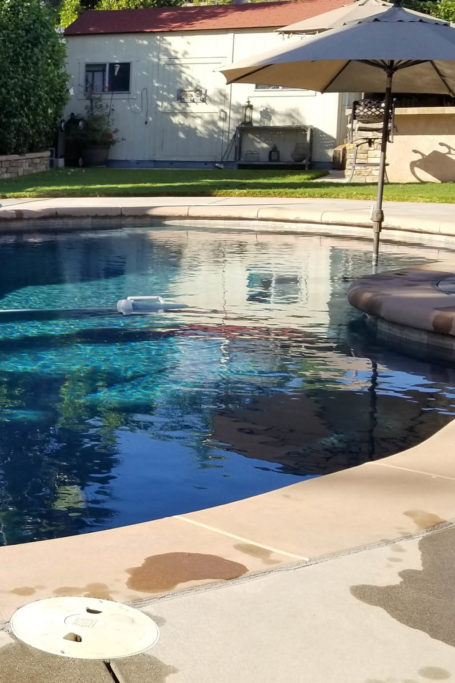
This is common advice for mosquito prevention, but it goes for stinging fliers too. Wasps need water for consumption and crafting nests, so the more water they can locate, the better for them. Get rid of features in your yard that hold water, such as bird baths, and be sure to run fountains or pond filters so they don’t remain stagnant. Finally, survey your yard after rainfall to identify areas where water collects, such as gutters or playground equipment, then address them so they don’t attract wasps.
While only professional solutions can handle major infestations, these tips can help you address the occasional wasp nest and keep your home clear of problems for as long as possible.
78 Views
Related Posts


Popular Posts