Is Sunlight Damaging Your Home Interiors?
Most homeowners notice a faded couch or a bleached patch of hardwood and assume it’s just wear and tear. But it could actually be the sunlight damaging your home’s interior, and if you’re not catching it early, you’re looking at replacement costs that a little prevention could have avoided entirely.
Sun damage inside the home is one of the most underestimated forms of deterioration, especially in sun-drenched regions. Here’s how to spot it, what it’s costing you, and what actually works to stop it.
What sun damage looks like (and where to find it)
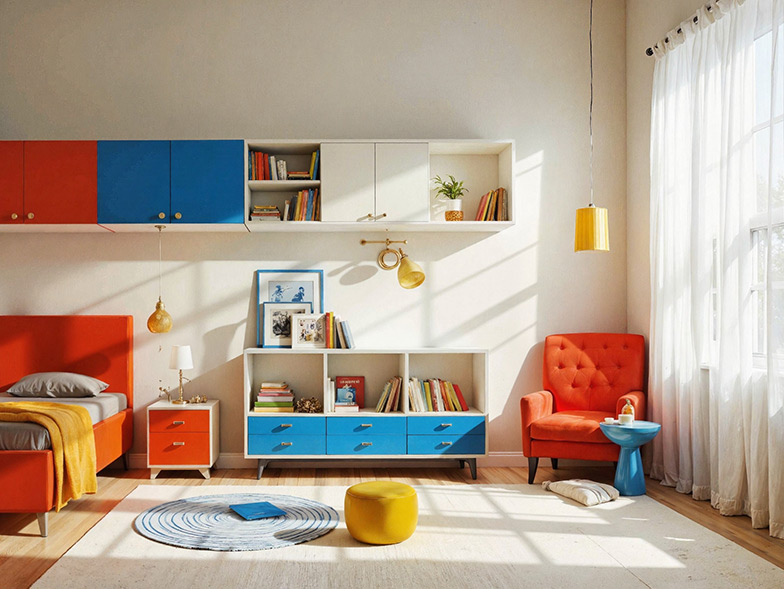
The most obvious sign is fading: upholstery, rugs, curtains, and wood floors that have lost their original depth of color in areas near windows. But UV exposure doesn’t stop at aesthetics. Over time, it breaks down the structural integrity of materials too. Leather can crack and dry, wood can warp or develop a grayish cast, and painted walls near south- or west-facing windows may chalk and peel faster than the rest of the room. Upholstery can also fade to a washed-out version of its original color.
Walk your home room by room on a sunny afternoon and look for the line where sunlight regularly falls. If a hardwood floor has a noticeably lighter strip running parallel to a window, that’s UV damage.
What you can do about it
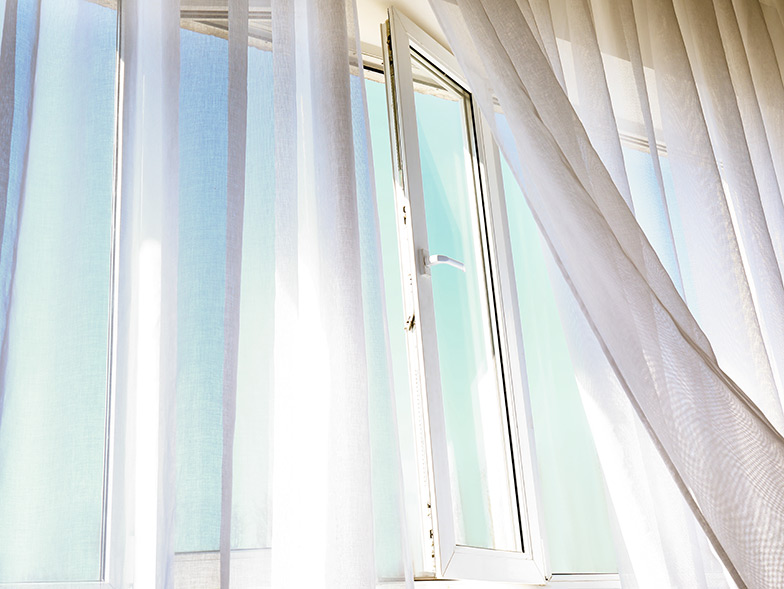
The most effective solution is also one of the least disruptive: Apply window film. Low-emissivity (low-e) window films block up to 99 percent of UV rays while allowing visible light through—meaning your rooms stay bright without the damage. Professional installation typically can be highly affordable, depending on the film grade, and quality films carry warranties for long-lasting assuredness. For a home with significant sun exposure, this is often the highest-ROI interior upgrade you can make.
If window film isn’t in the budget right now, cellular shades or solar shades are a practical middle ground. They won’t block UV as comprehensively, but closing them during peak sun hours (roughly 10:00 a.m. to 3:00 p.m.) dramatically reduces cumulative exposure. You should also periodically rearrange your furniture and rugs so that no single piece bears the brunt of direct sun and wear is distributed more evenly.
For wood floors already showing damage, a professional refinish can restore their appearance—but pairing that with UV protection going forward is the only way to make the investment last.
Why this matters when you’re buying or selling
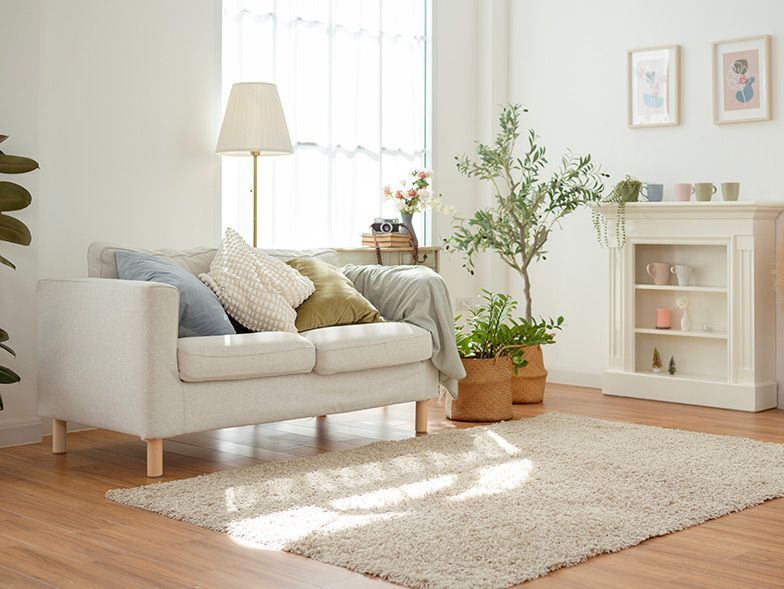
If you’re preparing to sell, sun-damaged interiors signal neglect to buyers during showings, even when the damage is purely cosmetic. For example, faded flooring and bleached upholstery can decrease your home’s perceived value. Addressing the most visible damage (and being able to advertise that you’ve added window film) is a straightforward way to protect your asking price.
If you’re buying, look at the sun exposure of a home carefully. South- and west-facing rooms with large, unprotected windows are beautiful in photos yet costly to maintain over time. Ask whether any UV protection has been added, and factor remediation into your offer if it hasn’t.
The sun may be persistent and powerful, but its impact on your home is entirely manageable if you know what to look for. For more advice on preserving your home’s style and value, contact a real estate agent.
1144 Views
Related Posts




Popular Posts