Watering Dos and Don’ts
While indoor comforts may perfectly capture the essence of home, it may be a well-tended landscape that truly makes you feel proud of your personal property. Care for your lawn and garden diligently, and its healthy plant life will surround your house with vibrant natural splendor—and potentially even add value to your home.
But if you fail to nurture these areas correctly, especially when it comes to watering, you can actually do more harm than good (and the wilting, discolored results will speak for themselves). Refresh your yard-hydrating knowledge with this guide to common mistakes homeowners make, and learn some more beneficial alternatives.
DON’T: Hesitate to seek help
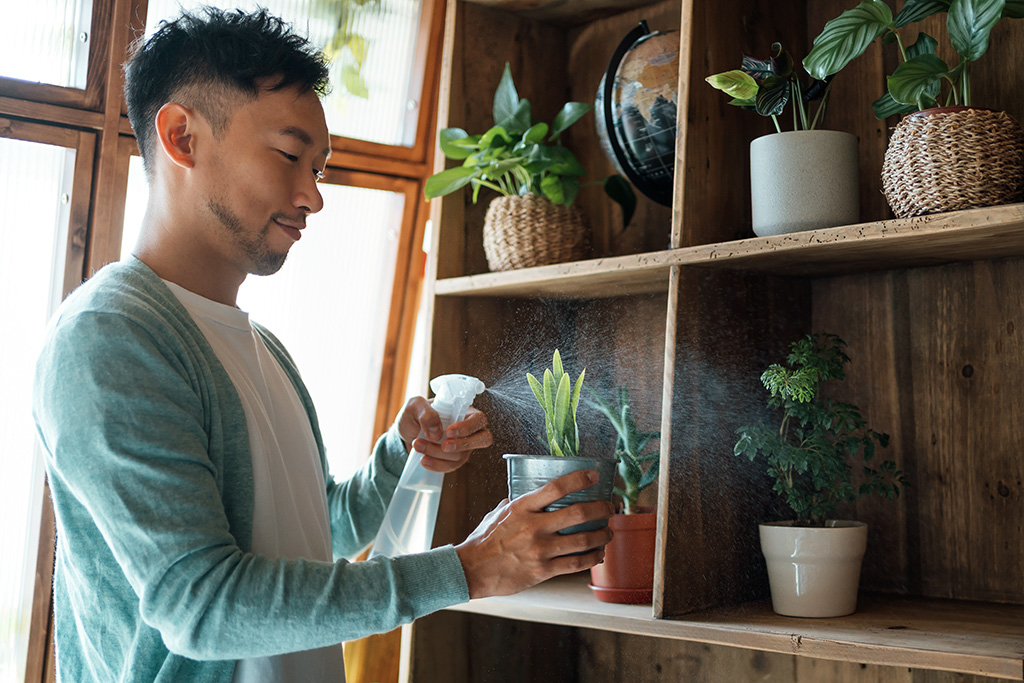
Underwatering can obviously lead to dry patches in your grass and crunchy, faded plant life, but how much should you actually be watering? Truthfully, this largely depends on your local climate, the species of plant you’re working with, and the season. So for guidance, consider speaking with a local landscaper or gardening center associate.
Take photographs so the expert can identify the variety of plants on your property, including your lawn, trees, and flowers. From there, they can provide exact watering recommendations as well as advice on other factors, such as disease and pests, that could be impacting its health. For additional information on healthy tree watering, you may want to consult an arborist.
DO: Water fully
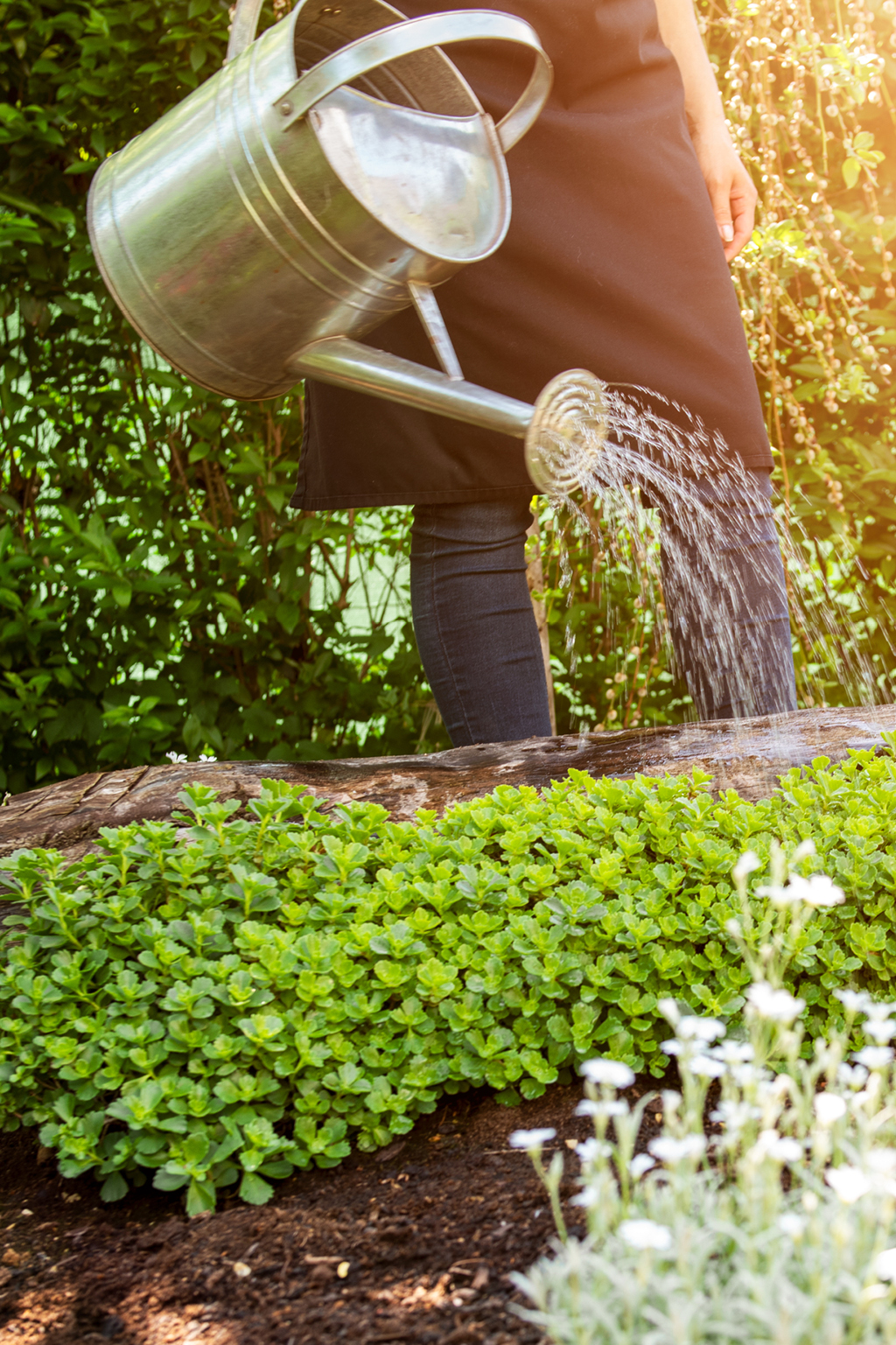
While your specific grass may have its own unique needs, the general rule is that most lawns need one to one and a half inches of water per week. Drench it deeply once or twice weekly—and, if you own an irrigation system, set its schedule to suit such timing. Also verify that the moisture penetrates at least six to eight inches into the turf’s dirt each time, which will support healthy roots better than light, frequent waterings. For accuracy, use a soil moisture meter or even a simple trowel to gauge how thoroughly you drench the turf each session.
As for the plants in your garden, consider keeping tabs in a spreadsheet or notebook on how often unique species need moisture, particularly in mixed garden beds that host a variety of different flora, then adjust various sprinklers throughout your yard so every species gets a full drink each week. If you don’t have irrigation installed, refer to your notes daily to determine when and where precisely to water.
DON’T: Overdo it

Conversely, you’ll want to avoid overwatering your lawn and garden, even if you live in a dry climate. In fact, this is especially dangerous in hot, dry areas because most native plant life isn’t suited to heavy dampness.
Numerous consequences can arise from overzealous watering. For instance, it can lead to shallow root development and, due to settling moisture, invite pests and diseases, making it potentially just as lethal as neglecting your plants altogether. Not to mention, it’s just downright wasteful. To also protect yourself from any water-overuse fees, be sure to check your local guidelines since watering may be limited—or even prohibited—due to local restrictions or droughts.
DO: Time it accordingly
When you water is just as important as how much you dispense. Opt for early-morning sessions, which are ideal because temperatures are typically cooler and the wind is calmer, potentially minimizing waste. In other words, low sunlight and breezes will give hydration time to settle deep into the soil or be absorbed by leaves rather than simply evaporating away. This timing also allows the dirt to dry before evening, reducing the risk of plant diseases that can arise in dark, wet soil.
Try to stay consistent with your timing as well. Altering your watering habits frequently can actually damage certain plants, particularly flowering varieties and edible ones. However, you may need to revisit your irrigation system’s schedule or turn it off temporarily during rainy periods.
DON’T: Neglect tech issues
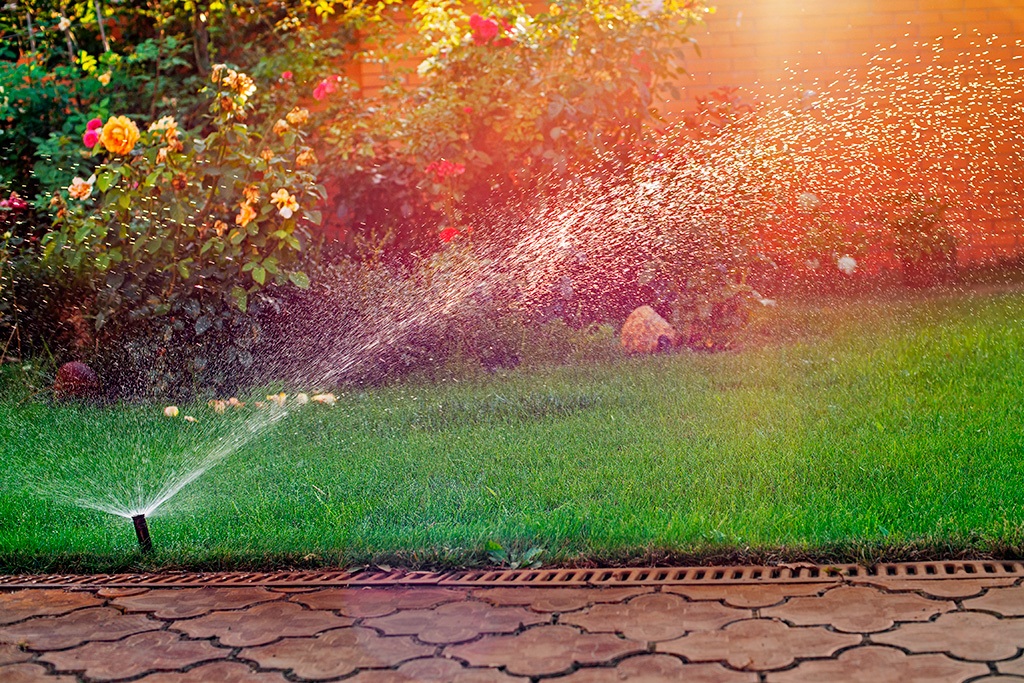
Finally, while irrigation machinery certainly makes watering easier, these systems are by no means faultless. Should they fail to provide the right amount of moisture in the correct increments, your lawn and garden can suffer the consequences. So to ensure that they’re working properly, look out for common signs of defects, including unexplained dry spots, water pooling in certain areas, unusual noises coming from the device, and poor pressure.
If you notice these issues or are simply curious why certain plants just aren’t holding up, contact an irrigation repair specialist. Maintaining an effective watering system—whether it’s your manual work or devices doing it for you—is one of the most important methods for ensuring that your lawn and garden receive all the hydration it needs . . . no more, no less.
243 Views
Related Posts



Popular Posts