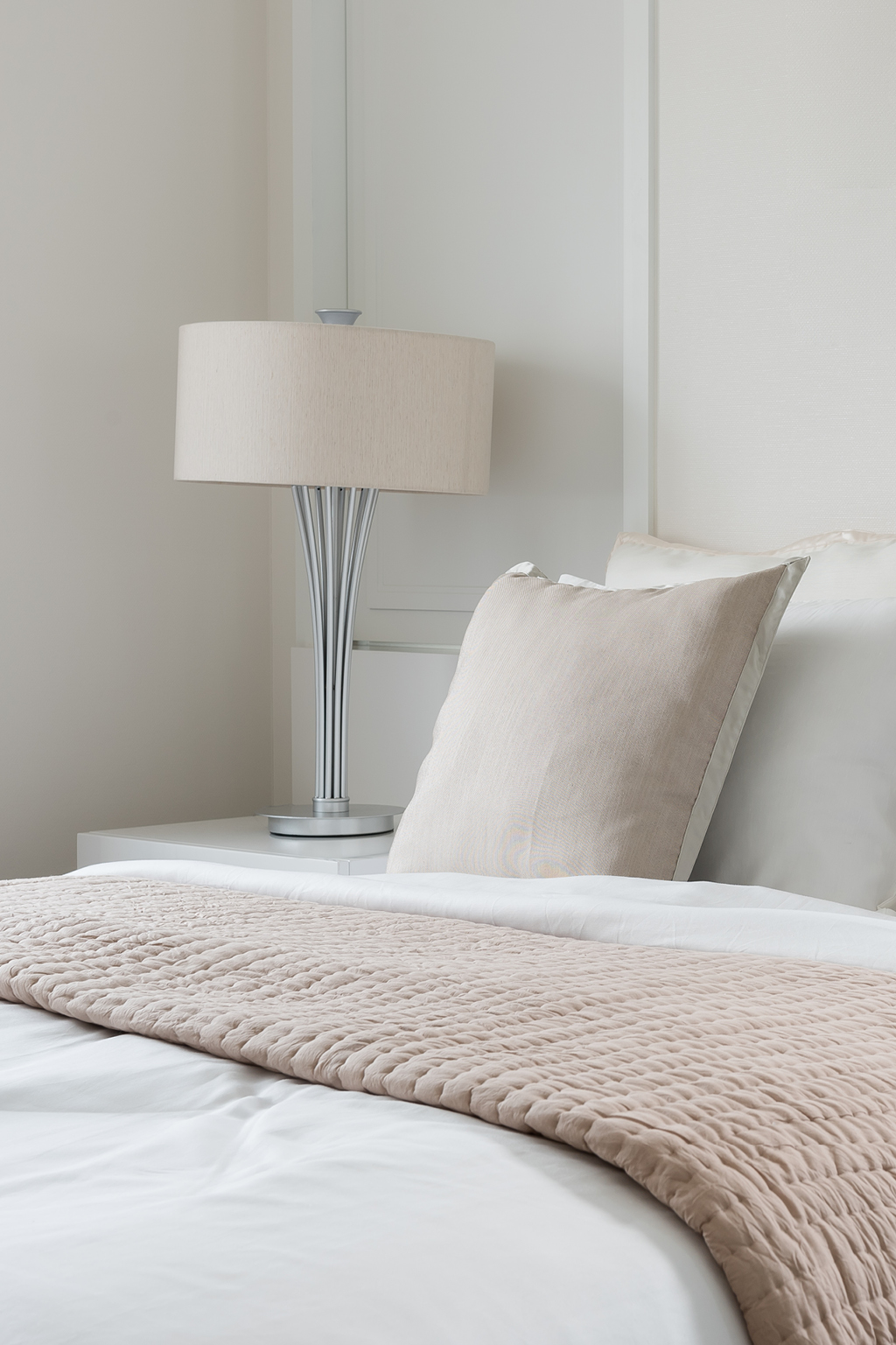
A Lowdown on Linens
We’ve all experienced it at one time or another: trying to sleep on a sweltering summer night. Without air-conditioning, the best line of defense is usually a fan, thinner clothes, and minimal bed coverings.
The right bedding fabric, in particular, can make a huge difference. This overview covers the best sheet types and how to care for them so you can rest easy this season.
What to look for
Ideally, in summertime you want to dress your bed in linens that will provide coolness and airflow to your summer nights, so opt for breathable, moisture-wicking natural fibers. Here are some of your best options.
Percale cotton
Percale is renowned for being light, soft, breathable, and even cool to the touch. Thread count varies, however: the higher it is, the more likely airflow will be restricted (though the fiber and weave type also affect comfort). Percale’s is generally ideal below 400, yet its cotton cousin, sateen, is optimal up to 600.
Linen
Linen also boasts stellar breathability and coolness. This flaxseed-based material is also famous for its moisture-absorbing prowess—being able to absorb up to 20 percent of its weight in moisture before you feel it. It’s a great choice for hot sleepers. It gets better with age too: the more you wash it, the softer the material gets.
Bamboo
This natural material is transformed into lightweight linens that are considered by some to be even softer and just as breathable as the previous options. In addition, bamboo is known to provide excellent temperature regulation (in both summer and winter) and moisture wicking.
Sheet care
Whatever type of sheets you choose, practice proper care to ensure longevity by following the manufacturer’s instructions (generally, using the gentle wash cycle followed by low-heat or air drying), only using mild detergents, and washing them without bulkier items such as towels. Taking such steps can help sustain their cooling comfort for years.
329 Views
Related Posts




Popular Posts