How to Make a Small Home Feel Bigger
Not every house comes with expansive square footage, but that doesn’t mean it has to feel cramped.
With thoughtful design and a few strategic updates, any space can feel larger, brighter, and more welcoming—advantages to enjoy whether you’re living in the property or preparing to sell.
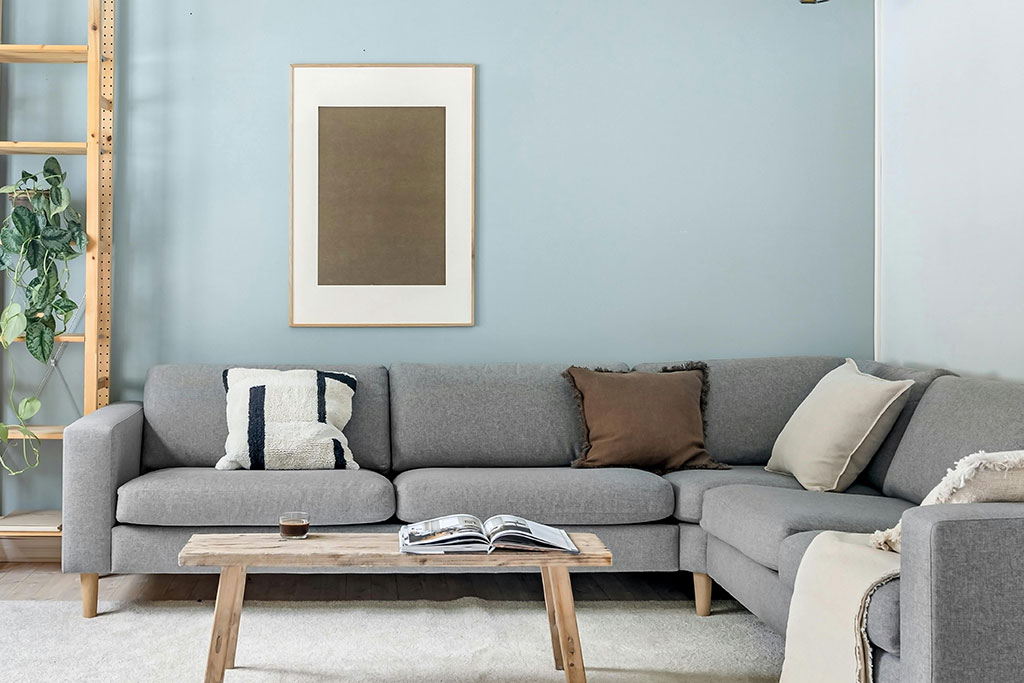
Brighten with light colors
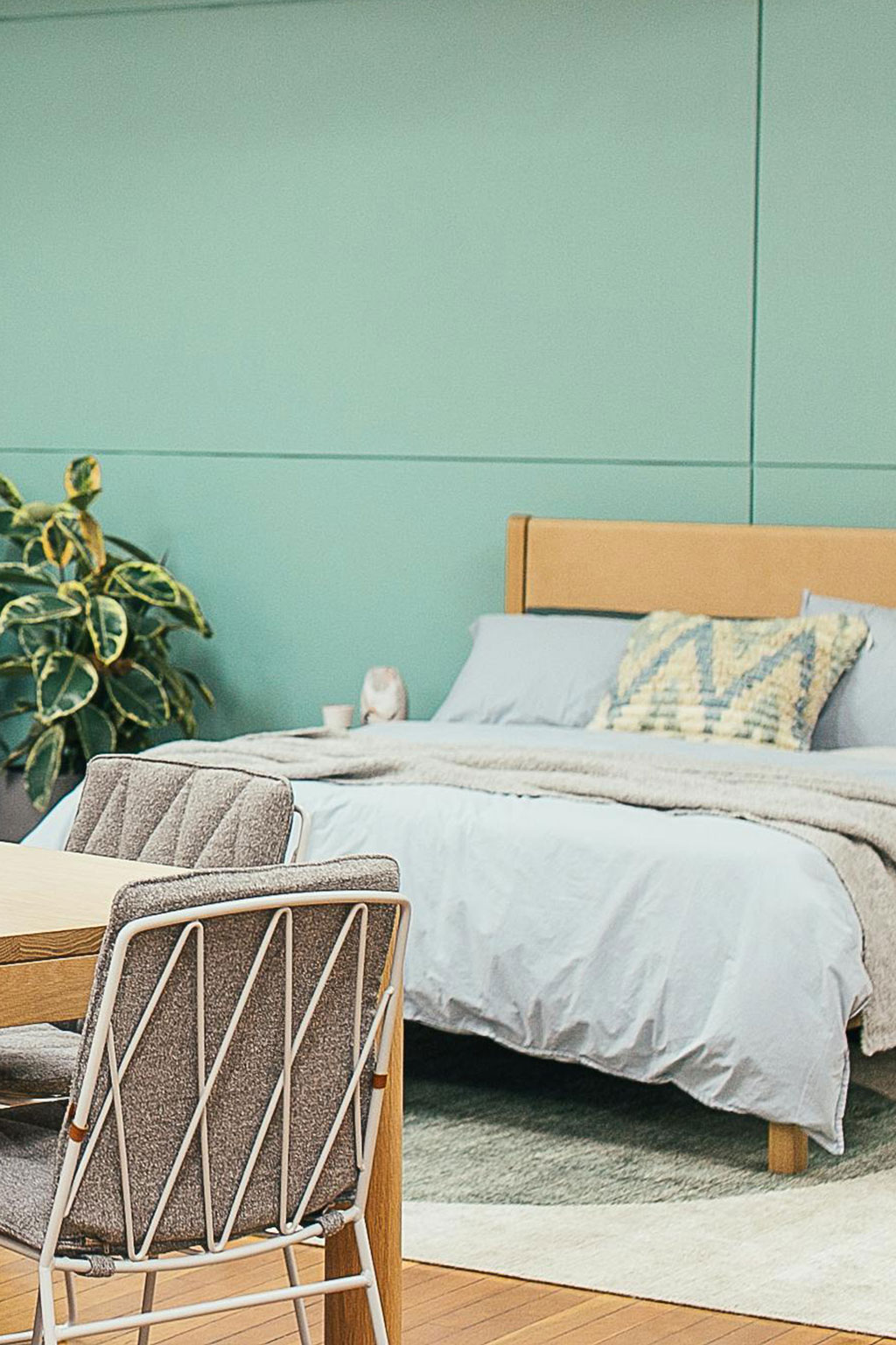
Paint is one of the easiest ways to transform a space. Dark colors can feel heavy and often visually shrink spaces, so it can be a good idea to replace them where possible. Choose light hues instead, like soft neutrals, pastels, and whites, which reflect natural light and help rooms feel airy and expansive. If you’re selling, opting for these neutral tones can also appeal to a broad range of buyers.
Let the sunshine in
Nothing makes a home feel bigger than sunlight streaming through the windows. Heavy curtains or blinds can block this effect, leaving rooms feeling closed off. Instead, opt for sheer curtains, lighter fabrics, or even bare windows to let in as much light as possible. You can also use mirrors to reflect light and add depth. By placing one opposite a window, you reflect natural light throughout the room, instantly creating a sense of depth and spaciousness.
Choose multi-functional furniture
When space is limited, every piece should pull double duty. So look for furniture with built-in storage, like ottomans, beds with drawers, or coffee tables with hidden compartments. And scale your furniture to fit the room—oversized pieces can overwhelm the space, while sleek, low-profile designs enhance flow.
Create flow with smart layouts
The way furniture is arranged can either open up a room or make it feel crowded. Avoid blocking pathways, and consider floating pieces off the wall to create a sense of space. To craft intimate settings that feel spacious and comfortable, lay area rugs; this will also help define dedicated zones in open layouts. When staging, arrange furniture to highlight foot-traffic patterns and create a natural, open feel.
Declutter and simplify
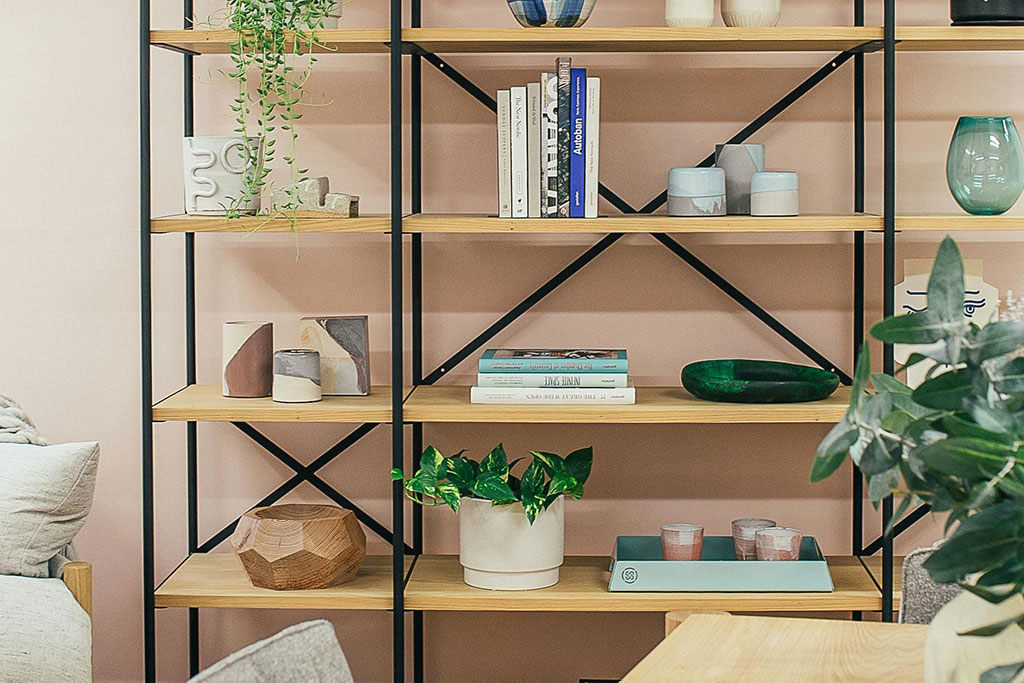
Clutter is the number one culprit behind small homes feeling even smaller. Piles of mail, overflowing closets, and crowded countertops can shrink a space instantly. Keep surfaces clear and closets organized (buyers will likely look in here too). Add vertical storage, built-in shelving, or under-bed bins to maximize square footage. A tidy, simplified space not only feels larger but also helps buyers envision living there.
Use design tricks to add depth
Design details can shape how a room is perceived, so hang curtains high to elongate walls, and use vertical shelving to draw the eye upward. Horizontal stripes on rugs or wallpaper can also visually widen a room, so add these products where possible. These subtle touches go a long way toward making a home feel more spacious.
You don’t need major renovations to make your home feel bigger. With a few smart choices, especially in central rooms, you can transform your space into a brighter, more open environment that appeals to you and potential buyers alike.
2157 Views
Related Posts



Popular Posts