Cool Your Curb Appeal with These Heat-Resistant Landscaping Ideas
As summer temperatures climb, a traditional lawn can become less of an asset and more of a high-maintenance expense. For the modern homeowner, a landscape that withers under the summer sun does more than just hurt the eyes; it drains funds and devalues the property’s lifestyle appeal.
Switching to a lower-maintenance alternative—a vibrant, heat-resistant yard—sends a powerful signal that your home is well-maintained and designed to last. Embrace these smart landscaping strategies, and you can create a stunning outdoor retreat that thrives in the heat while saving time and money.
The financial and aesthetic benefits of climate-smart yards
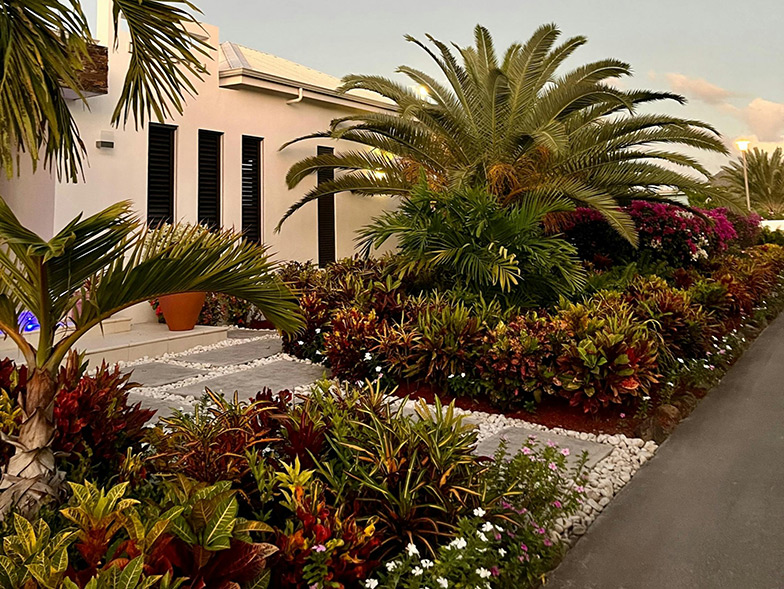
Shifting toward greater durability offers a rare “win-win” in home improvement. First and foremost, you will see a significant reduction in your monthly water bill. Traditional turf grass loses a significant share of its irrigation water to evaporation before it ever reaches the roots—meaning you pay for water your lawn never gets.
Beyond the savings, a drought-tolerant yard provides year-round curb appeal. While your neighbors struggle with patchy, dormant lawns, your carefully curated selection of resilient plants will remain vibrant and structured. The results will tell any potential buyers that your home is easy to manage and environmentally conscious—two traits that sit at the top of many wish lists today.
Simple swaps for immediate impact
You do not need to bring in a bulldozer to make your yard more resilient. Start with small, high-impact changes that replace high-maintenance, water-demanding plants with hardier alternatives.
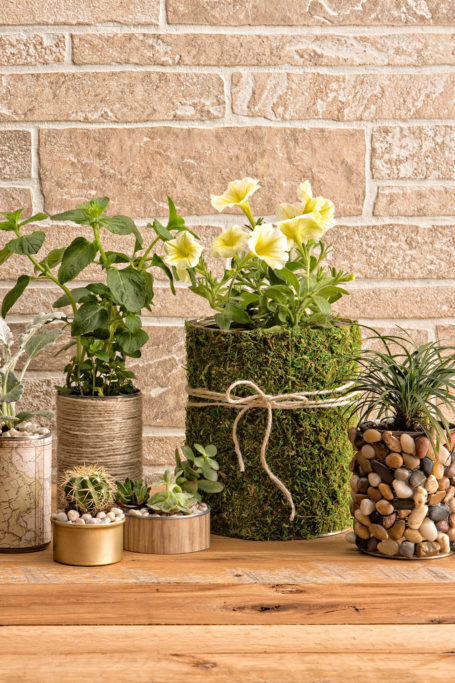
- Trade annuals for perennials: Instead of planting thirsty petunias every spring, opt for heat-loving perennials like lavender, Russian sage, or black-eyed Susans. These plants develop deep root systems that allow them to withstand long dry spells.
- Upgrade your mulch: Apply a thick three-inch layer of organic mulch, such as shredded bark or wood chips, around your planting beds. Mulch acts as a protective blanket, keeping the soil cool and drastically reducing moisture evaporation.
- Incorporate native species: Plants that occur naturally in your region have spent thousands of years adapting to the local climate. They generally require less fertilizer and significantly less supplemental water than exotic imports.
The total landscape overhaul
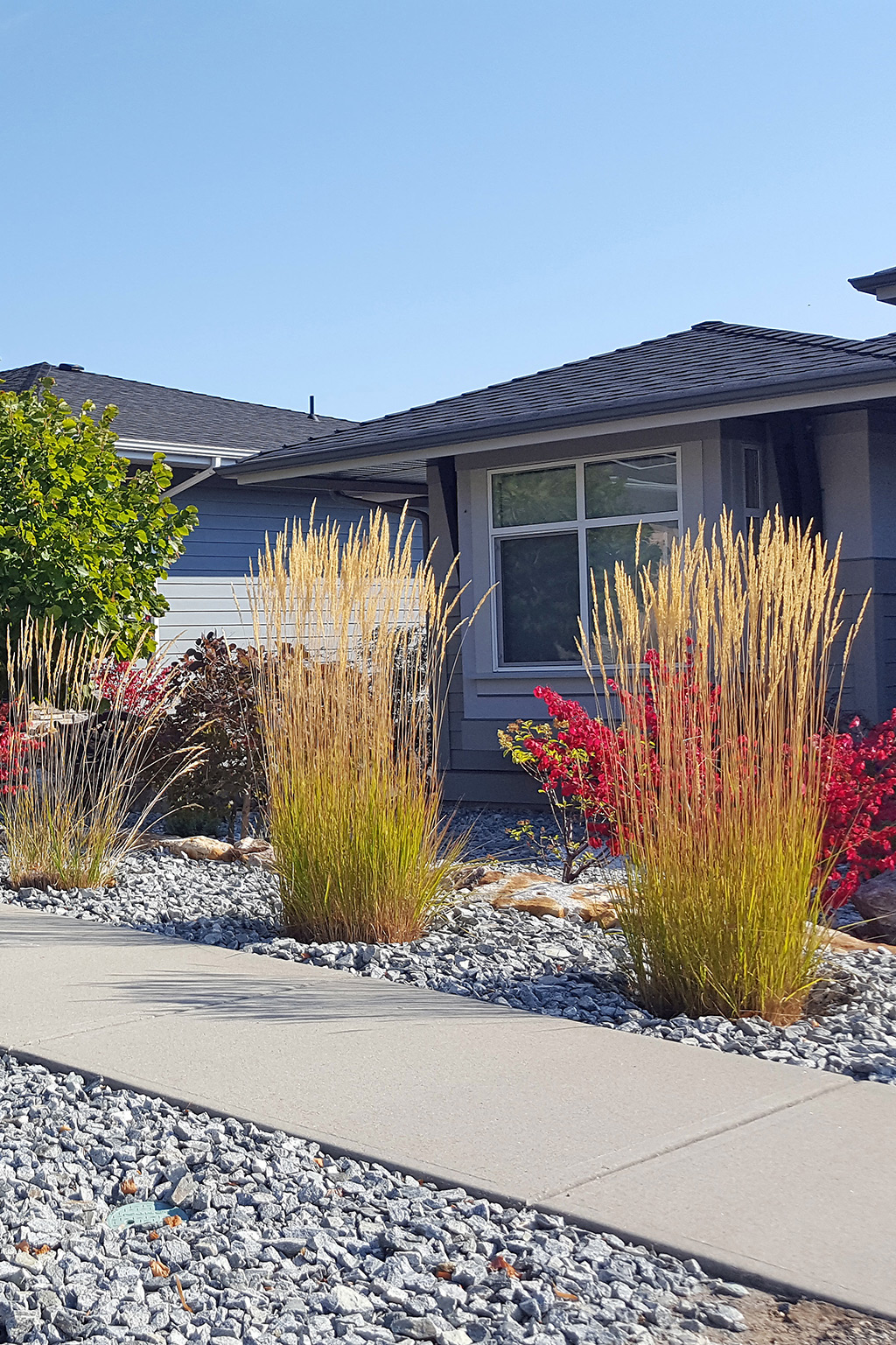
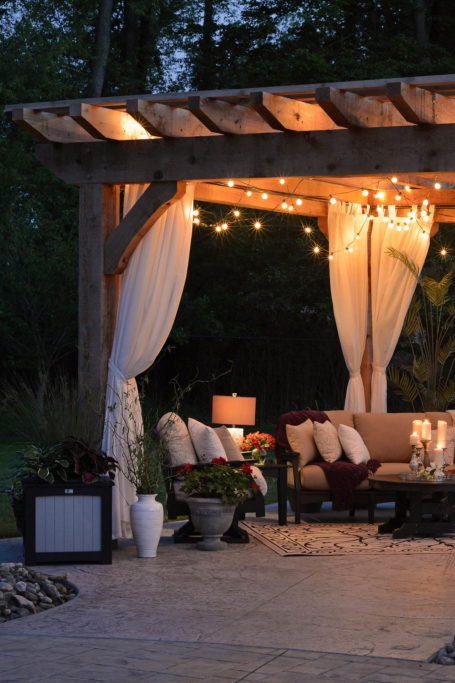
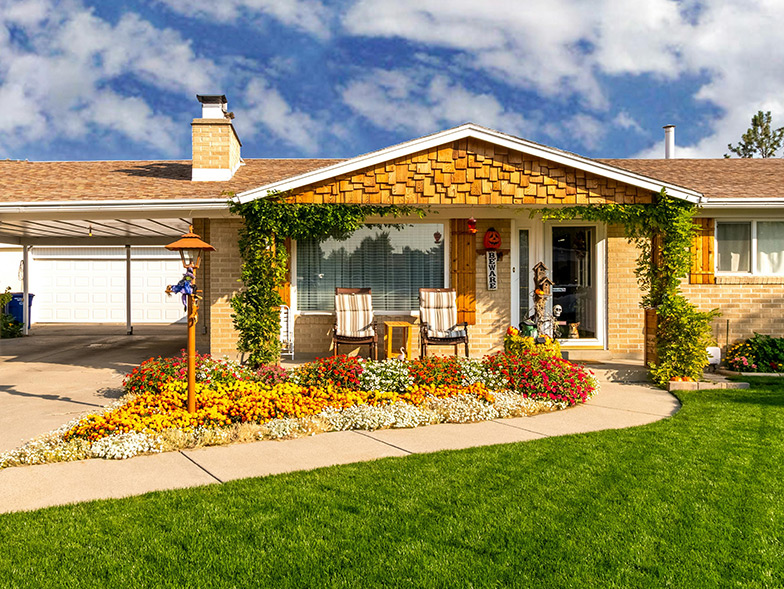
If you want to maximize your home’s value and sustainability, consider taking on a more comprehensive redesign. Replacing a portion of your lawn with hardscaping, such as stone pavers, gravel paths, or a brick patio, creates functional outdoor living areas that require zero water.
For your remaining green spaces, consider replacing traditional grass with a drought-tolerant groundcover like creeping thyme or clover. These alternatives stay green with a fraction of the water, handle foot traffic, and rarely, if ever, require mowing. This transformation can elevate your backyard into a sophisticated, multi-textured environment that feels more like a high-end resort than an ordinary suburban yard.
The role of smart technology in water conservation
A heat-resistant landscape works best when paired with efficient technology. If you have an existing sprinkler system, consider upgrading to a smart irrigation controller, which uses local weather data to adjust watering schedules automatically. Such features ensure that you never waste water during a rainstorm or on a cool morning. By targeting water directly to the root zones through drip irrigation, you keep your plants hydrated and healthy without the waste of overhead spray.
A yard that performs well in peak summer conditions is one less thing a buyer has to fix or replace. For more guidance on improvements that can translate to real market value, talk to your real estate agent.
3803 Views
Related Posts




Popular Posts